Regulation & Recalls
US Baby Formula Plants Quietly Doubled Capacity in 18 Months
Post-shortage CapEx is finally hitting the floor; the import-tolerant FDA pathway is closing.
By FTF Editorial Team·May 21, 2026·6 min read
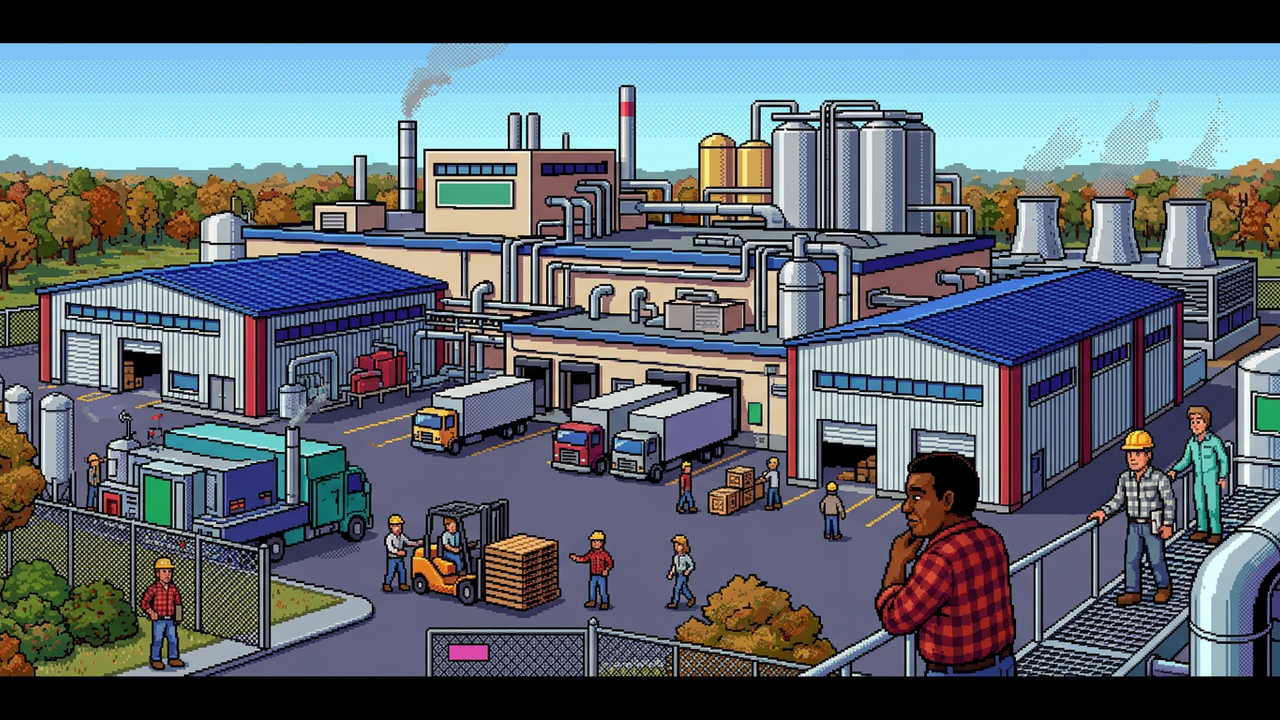
The 2022 formula crisis triggered a structural rebuild of US production that's now coming online just as imports tighten.
What happened

Abbott, Reckitt, Perrigo, and ByHeart together added roughly 1.4B oz of annual US formula capacity since 2023. The FDA's emergency import pathway, which let European brands like Kendamil onto US shelves, is sunsetting in mid-2026.
Why it matters

The 2022 crisis exposed a fragile four-supplier oligopoly. The fix (domestic CapEx plus a regulated re-narrowing of imports) restores supply security but risks re-concentrating the category before new entrants can scale.
Market impact

Imported European brands could lose 60%+ of their US shelf space by year-end. Domestic challengers like ByHeart and Bobbie will compete for the freed-up facings. WIC contract awards in 2026 will set the channel for the next 5 years.
Consumer insight

Parents who switched to European formulas during the shortage built strong brand loyalty around 'cleaner' EU standards. Forcing them back to domestic brands without a clear ingredient story will trigger DTC and gray-market workarounds.
Strategic takeaway

Domestic brands need to publicly match EU ingredient standards (no corn syrup solids, organic dairy options) before the import door closes. Otherwise, the consumer narrative stays anti-US-formula even after shelves refill.
Get the next signal in your inbox.
Daily food industry intelligence — free.
You've reached the end.