
Grocery
Branded Grape Varieties Turn Produce Into a Flavor Portfolio
Distinctive sweetness, aroma, shape and crunch give table grapes a shopping story beyond color and price.
By FTF Editorial Team·October 3, 2026·5 min read
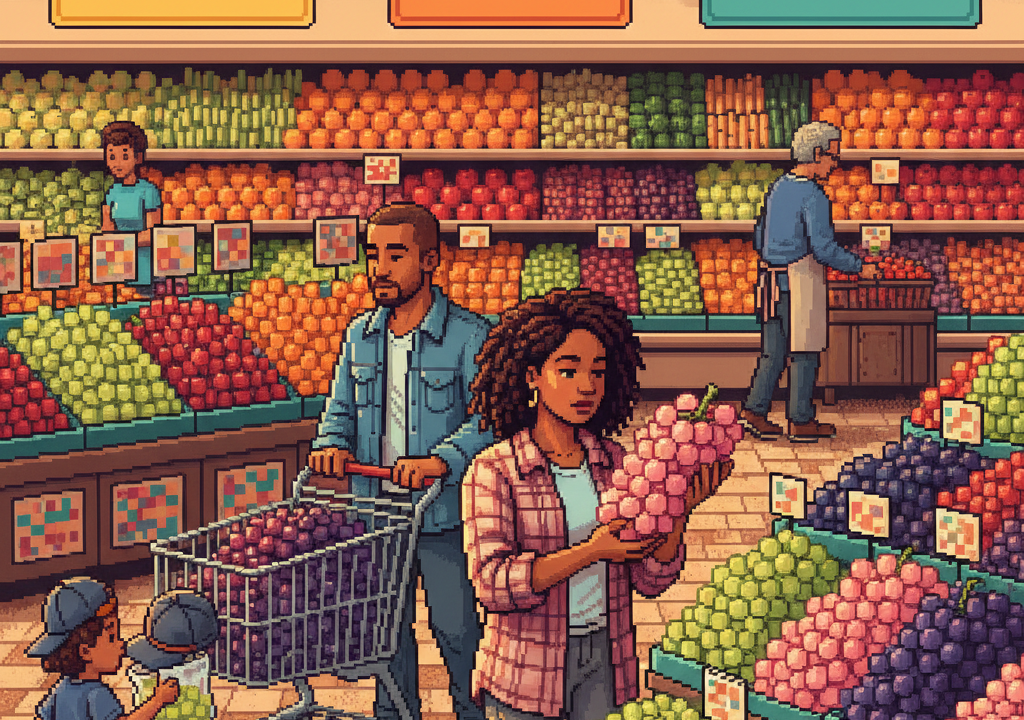
Named grape offerings such as Cotton Candy and Moon Drops show how distinctive eating experiences can give fresh produce a recognizable identity. For innovation managers, they offer a model for building seasonal portfolios around sensory benefits rather than commodity price alone.
What happened

Table grapes are commonly merchandised by color, seedlessness, origin and price. Branded specialty grapes add another layer: a name that helps shoppers anticipate a particular experience. Grapery’s Cotton Candy grapes evoke the flavor of their namesake confection, while its Moon Drops grapes stand out for their elongated shape. These differences make the product itself part of the brand story.
The distinction comes from the grapes, not an added candy coating or flavoring. Conventional grape breeding can select for characteristics including sweetness, aroma, texture and appearance. Breeding businesses such as BLOOM FRESH develop table grape varieties with differentiated eating qualities, giving growers and marketers a broader sensory palette to work with.
Why it matters

For brand managers, these grapes demonstrate how an agricultural product can carry a specific promise before the shopper tastes it. A flavor-led name can communicate more than a generic color designation, while an unusual shape provides a visible point of difference. Crunch and aroma can add further reasons to choose one offering over another, provided the fruit consistently delivers.
The commercial vocabulary needs care. A grape variety, a trademarked product name and a grower or marketer’s brand are not interchangeable. Innovation teams should establish which genetic material they can source, which names they can use and what licensing or marketing conditions apply. A compelling concept is not yet a scalable supply proposition.
Market impact

A portfolio of differentiated grapes gives retailers an alternative to presenting every pack as a directly comparable commodity. A familiar everyday grape can sit alongside a flavor-led or shape-led specialty offering, allowing the assortment to serve different shopping motivations. That creates a basis for differentiation, but does not by itself prove that shoppers will accept a premium or that margins will improve.
Seasonality is central to execution. California table grapes generally reach the market from May through January, but individual varieties have narrower harvest and availability windows. Retailers and suppliers can plan rotating features around those windows rather than assume every named offering can remain continuously available. Any broader sourcing plan must also account for eating quality, logistics and rights to grow or market the grapes.
Consumer insight

A name such as Cotton Candy gives shoppers an immediately understandable flavor reference, potentially reducing the uncertainty of trying unfamiliar produce. Distinctive appearance works differently: an elongated grape can attract attention without requiring shoppers to understand breeding terminology. Both approaches translate agricultural differentiation into a benefit consumers can recognize.
Sampling can help close the gap between that promise and the actual eating experience. It lets shoppers assess sweetness, aroma and crunch directly, rather than infer them from packaging. Clear explanations also matter: a confectionery-inspired name may invite questions about added flavoring, so factual messaging about the grapes’ breeding and natural characteristics can support informed trial.
Strategic takeaway

Build the portfolio around sensory roles, not names alone. Identify what each offering contributes, such as a candy-like flavor, an unusual shape or a particularly crisp bite, and check that shoppers can perceive the distinction. Map those roles against seasonal supply, handling requirements and achievable quality standards before developing packaging or promotional calendars.
Test the proposition through a limited seasonal launch with clear shelf communication and, where practical, sampling. Evaluate trial, repeat purchase, sell-through, waste and margin rather than treating novelty as evidence of success. The opportunity is to make grapes easier to choose for a specific experience, while keeping the brand promise grounded in what a variable agricultural product can reliably deliver.
Get the next signal in your inbox.
Daily food industry intelligence — free.
You've reached the end.