Grocery
Dark Stores Are Coming Back: This Time Inside Existing Grocers
By FTF Editorial Team·May 13, 2026·6 min read
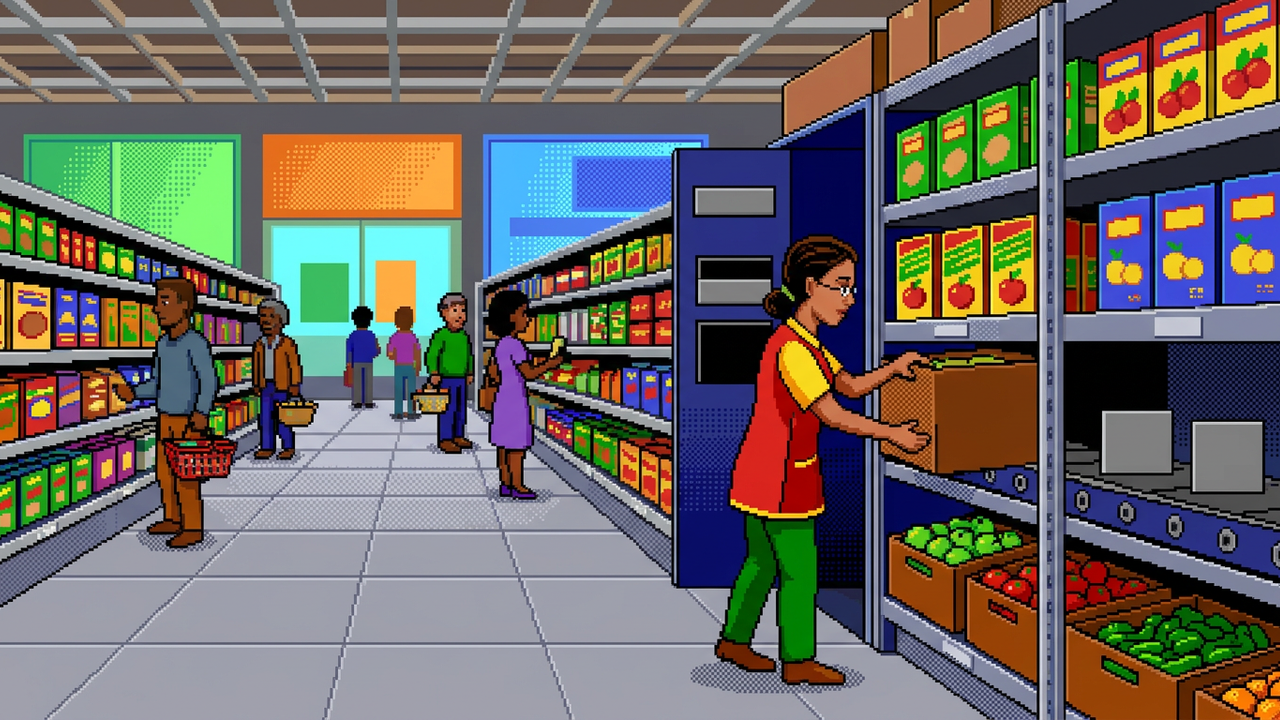
After the 2022–2023 collapse of pure-play quick commerce, dark-store fulfillment is returning as a back-of-house upgrade for traditional supermarkets.
What happened

Kroger, Albertsons, and Ahold Delhaize have all expanded micro-fulfillment buildouts in 2025, embedding automated dark-store zones inside existing stores rather than operating standalone facilities.
Why it matters

Pure-play dark stores failed on unit economics. Embedded micro-fulfillment shares rent, utilities, and labor with the storefront, finally making sub-30-minute grocery delivery margin-positive.
Market impact

Expect Instacart and DoorDash to lose share of grocery delivery to retailer-owned apps over the next 18 months. Automation vendors (AutoStore, Fabric, Symbotic) will see a second wave of grocery contracts.
Consumer insight

Shoppers no longer expect 10-minute delivery; instead, they expect same-day service. The bar moved, and grocers that own first-party fulfillment will retain basket data Instacart used to control.
Strategic takeaway

Embedded micro-fulfillment is the durable model. Grocers should treat dark-store zones as a margin lever, not a tech experiment, and tie them to loyalty and ad-network monetization.
Get the next signal in your inbox.
Daily food industry intelligence — free.
You've reached the end.