
Restaurants
The End of the Fixed Price: Why Your Burrito Costs More at Noon
As digital menu boards become the industry standard, 'surge' and 'slack' pricing move from airports to the high street.
By FTF Editorial Team·June 1, 2026·3 min read
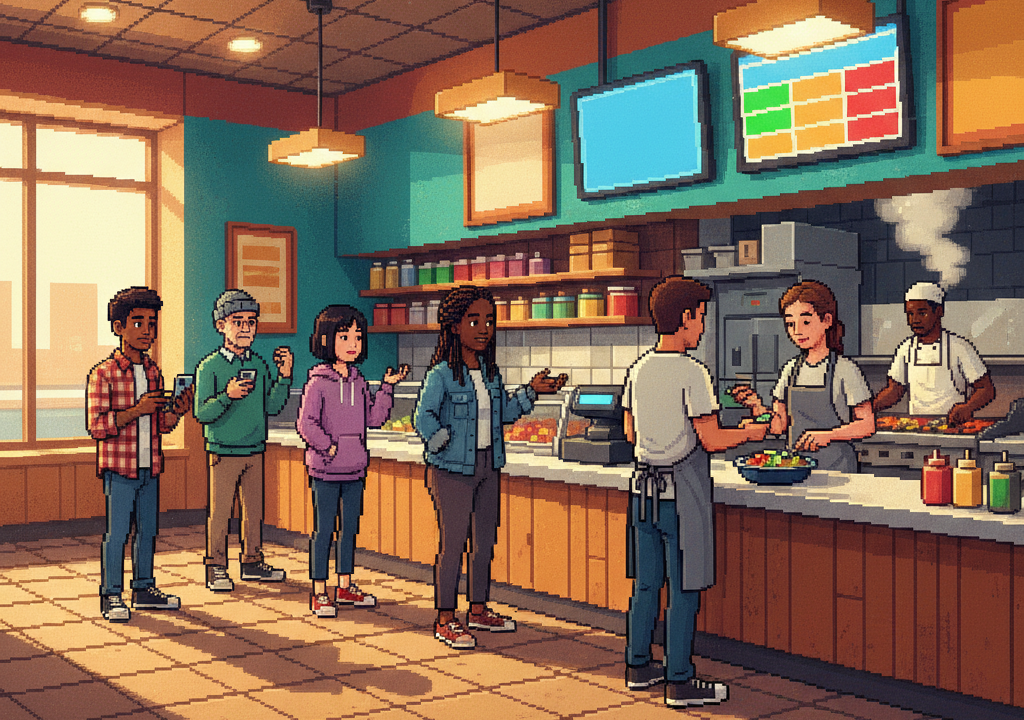
Major QSR and fast-casual chains are shifting to AI-driven dynamic pricing, using digital menu boards to adjust costs based on supply, demand, and kitchen capacity.
What happened

In the second quarter of 2026, Wendy’s and Shake Shack have fully integrated AI-driven price fluctuating software across 40% of their corporate-owned locations. Following the initial 2024 controversies, these brands have rebranded the movement as 'Dynamic Value Streamlining.' McDonald’s has also begun a pilot in 400 'Global Flagship' locations, utilizing Northpole AI to adjust prices every 15 minutes based on localized weather, local event traffic, and kitchen backlog. Simultaneously, Chipotle has introduced 'off-peak incentives,' offering up to 15% off digital orders placed between 2:00 PM and 4:30 PM.
Why it matters

This marks a fundamental shift in the social contract of dining. For decades, the menu price was a static promise; in 2026, it is a live data point. For operators, this solves the critical issue of margin erosion caused by volatile labor and ingredient costs. By using 'pricing as a throttle,' restaurants can now manage kitchen output, ensuring that a short-staffed shift isn't overwhelmed by a sudden rush, while simultaneously capturing every possible cent of consumer surplus during high-demand windows.
Market impact

The dynamic pricing software segment in hospitality is projected to grow at a CAGR of 18.5% through 2029. Early adopters like Burger King and Wendy’s have reported a 3-5% lift in same-store sales since integrating 'surge' and 'slack' pricing protocols. Meanwhile, tech providers like Juicer and Sauce-Pricing are seeing record VC interest, as the shift from static PDF menus to cloud-integrated digital boards reaches 70% penetration in US metropolitan QSR locations.
Consumer insight

Consumer sentiment is sharply divided by generation. While Boomers view dynamic pricing as 'hidden inflation,' Gen Z and Young Millennials are showing a surprising willingness to engage with 'Happy Hour 2.0' models. Data from loyalty apps shows a 22% increase in off peak traffic among consumers aged 18 to 34 when digital menus reflect real time discounts. This cohort values transparency over price stability, treating food ordering more like booking a flight or a rideshare: optimizing for the cheapest window rather than a fixed ritual.
Strategic takeaway

Operators must avoid the 'Uber trap' of predatory surge pricing. Instead, frame dynamic pricing as a 'Value Discovery' tool, using digital boards to aggressively discount overstock or low traffic periods to build loyalty, while reserving price increases for extreme peak scenarios to manage kitchen labor strain.
Get the next signal in your inbox.
Daily food industry intelligence — free.
You've reached the end.