Restaurants
Ghost Kitchens Reset Around Big-Brand Licensing
Independent virtual brands collapse, but the MrBeast Burger model gets refined.
By FTF Editorial Team·May 20, 2026·5 min read
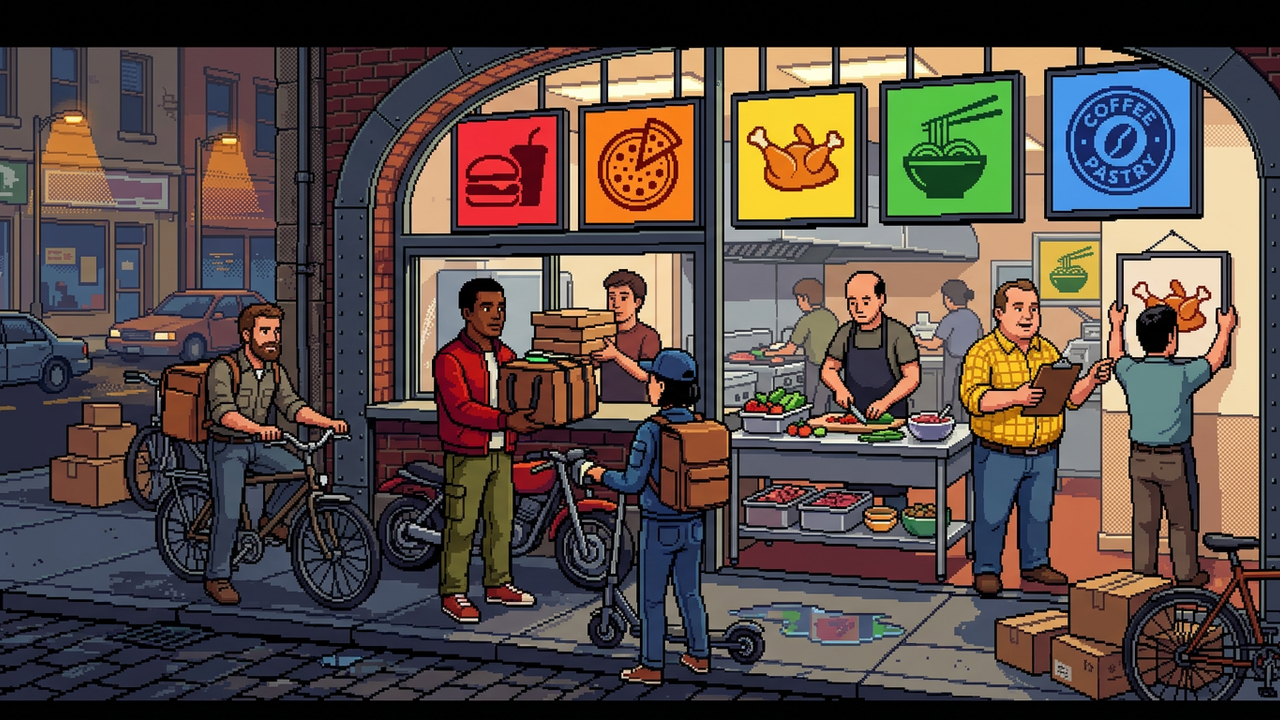
Pure-play ghost kitchen operators are collapsing, but big-brand licensed virtual restaurants (Wingstop, Chick-fil-A test, MrBeast Burger 2.0) are quietly working.
What happened

Reef Technology shut down most US ghost kitchens by mid-2025. MrBeast Burger relaunched under new operator Virtual Dining Concepts with stricter quality controls. Wingstop's 'Thighstop' virtual brand hit $200M run-rate. Chick-fil-A piloted a virtual catering brand in 5 markets.
Why it matters

The first ghost-kitchen wave failed because independent virtual brands had no marketing reach and inconsistent quality. The model that works pairs an existing high-volume kitchen with a brand that already has demand (essentially, additional revenue per existing oven).
Market impact

Expect 70% of viable virtual brands by 2028 to be operated inside existing chain restaurants, not standalone ghost kitchens. Real estate consolidation in the ghost-kitchen sector will continue.
Consumer insight

Consumers don't trust virtual brands they've never heard of. The brand-licensing model works because the demand is pre-existing and the trust transfer is automatic.
Strategic takeaway

If you operate a restaurant chain with excess kitchen capacity, virtual brand licensing is a 5-10% incremental revenue opportunity. Vet the operator carefully; quality failures kill the host brand.
Get the next signal in your inbox.
Daily food industry intelligence — free.
You've reached the end.