Restaurants
The Ghost Kitchen Bubble Pops: Survival of the Transparent
From 'Invisible' Brands to Infrastructure: The Great Pivot of Virtual Dining
By FTF Editorial Team·June 2, 2026·4 min read
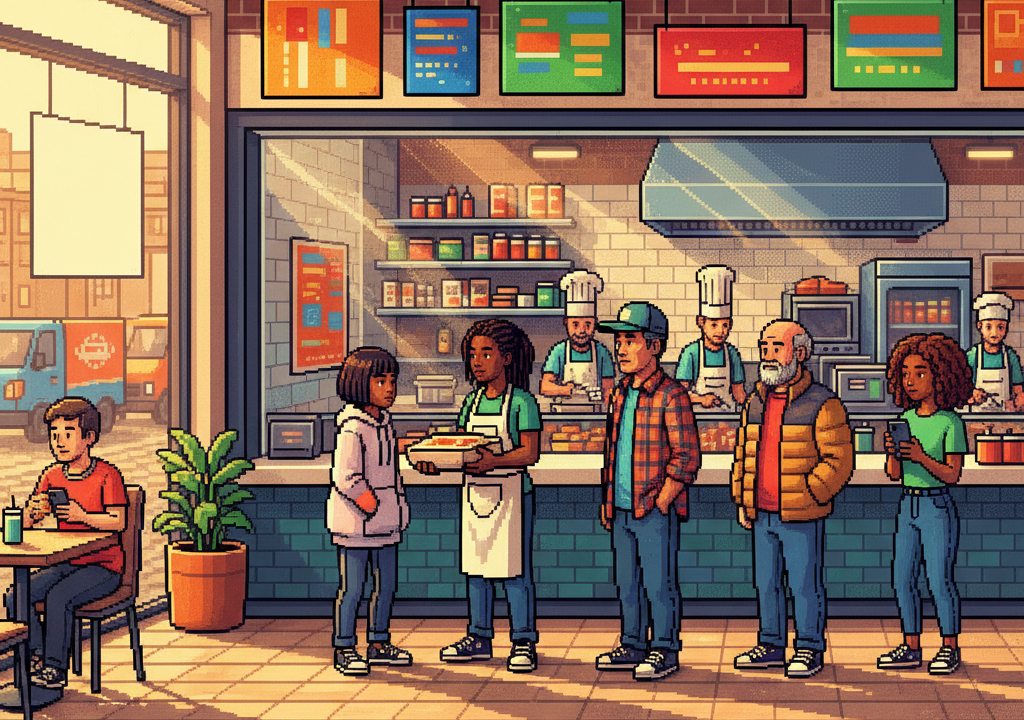
As 2026 unfolds, the ghost kitchen bubble has burst, leading to massive consolidation and a strategic shift back toward host-kitchen models and high-traffic retail partnerships.
What happened

In a series of rapid Q2 2026 maneuvers, industry pioneer KitchenUnited ceased its independent facility operations, transitioning its remaining assets to a Kroger-led joint venture focused on in-store hyper-local fulfillment. Simultaneously, startup 'V-Eats,' which once controlled 400 virtual brands, filed for restructuring after delivery platforms tightened 'cloning' algorithms. The industry has moved toward 'Host Kitchen' models, where established brands like Buffalo Wild Wings and The Cheesecake Factory are licensing their specialized menus to independent local diners to maximize underused kitchen capacity during off-peak hours.
Why it matters

This consolidation marks the end of the 'wild west' era of digital storefronts. The shift toward transparency and host kitchens addresses the core failures of the first-gen ghost kitchen: high overhead, lack of brand loyalty, and delivery platform clutter. For operators, this means the barrier to entry has risen; success in 2026 requires a hybrid approach where digital brands must have a 'physical anchor' or a highly recognizable parent brand to survive the algorithm's preference for quality over quantity.
Market impact

The delivery-only sector saw a 14% contraction in total active 'virtual-only' brands in the first half of 2026, yet the 'Host Kitchen' segment grew by 22%. CloudKitchens and Reef Technology clones have largely pivoted to 'infrastructure-as-a-service' for established players. Companies like Yum! Brands and DoorDash have capitalised on this, with Yum! reporting a 9% YoY increase in delivery-only revenue by utilizing remnant kitchen space in existing KFC and Taco Bell locations rather than dedicated ghost facilities.
Consumer insight

The honeymoon phase with generic virtual brands is over. Modern consumers are exhibiting 'brand fatigue,' increasingly ignoring digital-only storefronts that lack a brick-and-mortar footprint or transparent sourcing. Data from the Q1 2026 Pulse Survey suggests that 68% of delivery app users now check social media or physical maps to verify if a restaurant actually exists before ordering. This shift toward 'accountable delivery' is favoring established legacy chains that utilize secondary ghost lines over 'faceless' digital-only concepts.
Strategic takeaway

For CPG brands and restaurant operators, the 2026 mandate is 'authenticity over ubiquity.' Abandon low-margin, generic virtual brands in favor of 'Host Kitchen' partnerships with existing local restaurants to leverage established trust. Focus investment on shared-labor models that utilize excess capacity in physical retail rather than high-rent dedicated ghost facilities.
Get the next signal in your inbox.
Daily food industry intelligence — free.
You've reached the end.