Beverage Trends
Hojicha Gives Fall Drinks a Roasted-Tea Identity
Japanese roasted green tea can support an autumn beverage proposition without borrowing coffee's identity or matcha's visual cues.
By FTF Editorial Team·September 3, 2026·4 min read
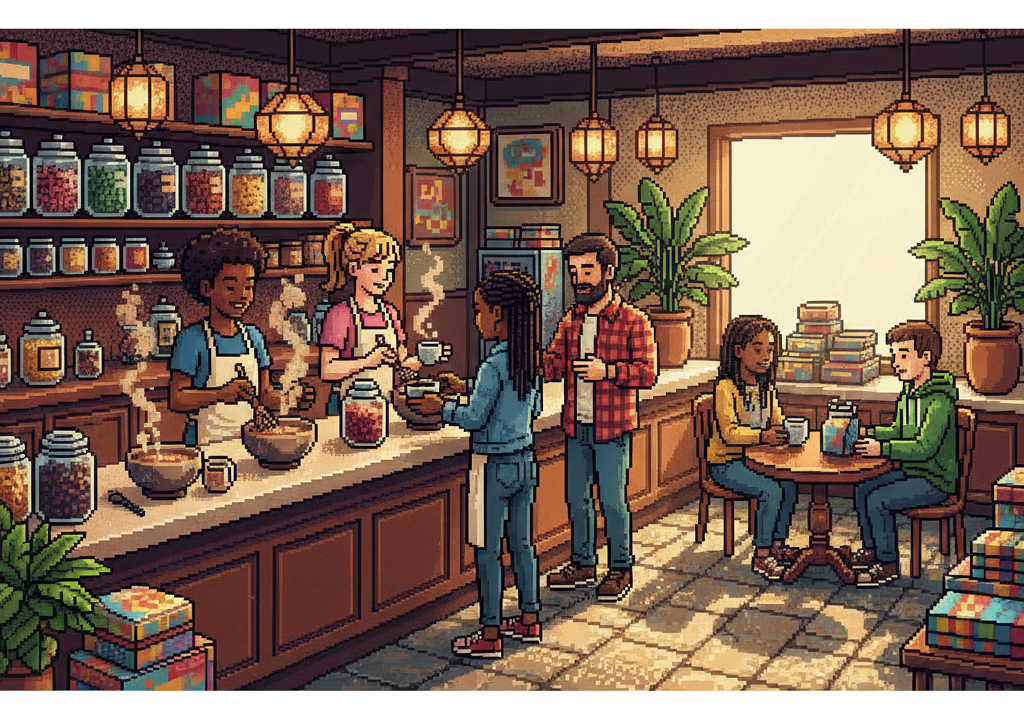
Hojicha brings roasted aroma and a brown color palette to seasonal beverages. For developers, the opportunity is to build around its own sensory strengths rather than market it as a substitute for another drink.
What happened

Hojicha is Japanese green tea roasted to develop a character distinct from the grassy profile associated with many unroasted green teas. As September beverage menus turn toward warmer flavor associations, it offers a credible foundation for hot drinks and iced lattes alike.
The relevant development question is format. Brewed leaf, concentrated extract and finely milled powder behave differently in a drink, affecting sediment, aroma, color and production workflow. A cafe recipe therefore needs deliberate adaptation before becoming a ready-to-drink product.
Why it matters

Roasted flavor can communicate comfort without requiring pumpkin, caramel or a large spice system. That gives beverage teams a way to create an autumn product whose identity remains understandable after seasonal merchandising ends.
Hojicha also requires careful positioning. Caffeine content varies with raw material, preparation and serving size, so broad promises about being caffeine-free or suitable for sleep would be inappropriate. A sensory-led proposition is simpler and more defensible.
Market impact

For cafes, the operational test is whether preparation fits the existing beverage station. Powders can simplify dosing but require dispersion control, while brewed tea introduces steeping and holding decisions that can affect consistency during busy periods.
Packaged beverage developers face a different set of questions around heat treatment, sediment and flavor retention. Buyers should assess the finished drink throughout shelf life rather than approve a fresh bench sample and assume its roasted character will remain unchanged.
Consumer insight

Consumers do not need to understand tea processing to appreciate a toasted, aromatic latte. They do need to know that the drink will not taste like coffee or look like a vivid green matcha beverage. Sampling and clear flavor language can close that expectation gap.
Strategic takeaway

Compare brewed and powdered hojicha in the intended beverage base; verify caffeine content before developing functional messaging; test a straightforward roasted-tea description alongside the Japanese ingredient name.
Get the next signal in your inbox.
Daily food industry intelligence — free.
You've reached the end.