Beverage Trends
The Magnesium Nightcap: How Sleep Mocktails Are Disrupting the 9 PM Hour
The 'Sleepy Girl Mocktail' matures into a multi-billion dollar functional category as alcohol alternatives hit the bedroom.
By FTF Editorial Team·June 4, 2026·4 min read
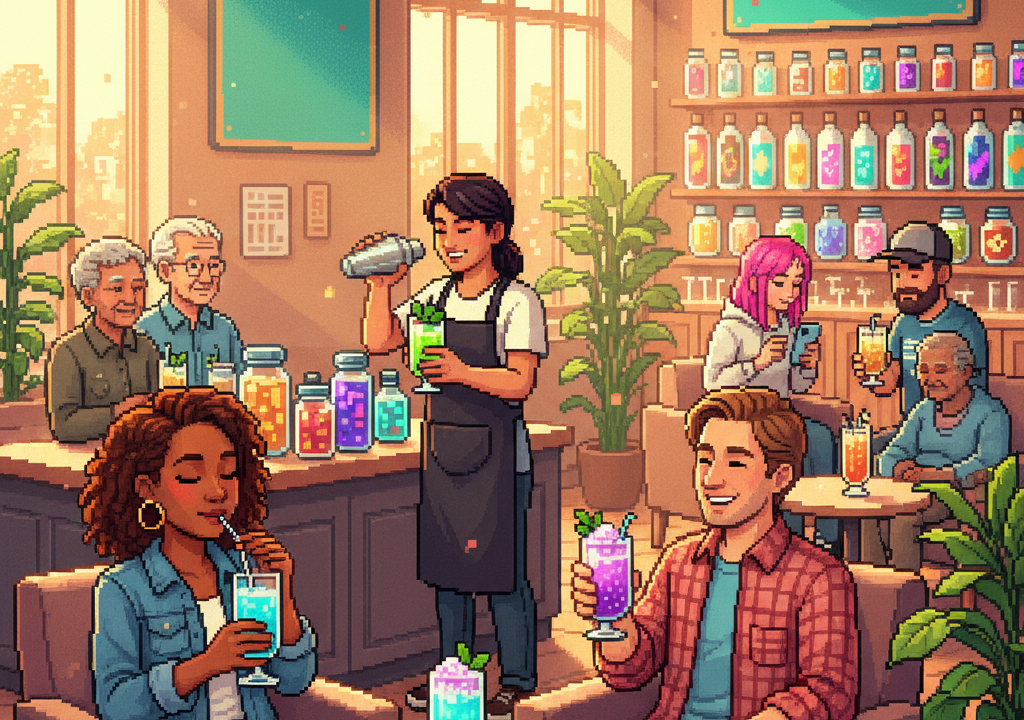
The functional beverage market shifts into the evening as magnesium-infused sleep mocktails replace traditional wine ritual, driven by brands like Recess and Moon Juice.
What happened

In early June 2026, major beverage disruptor Recess launched its 'Midnight Series,' a ready-to-drink (RTD) line featuring 300mg of magnesium L-threonate and tart cherry juice, following the viral success of the DIY 'Sleepy Girl Mocktail.' Simultaneously, spirits giant Diageo announced a minority stake in 'Somnia,' a premium non-alcoholic botanical aperitif focused on sleep-induction. These moves come after a 15% decline in mid-week wine sales, as consumers pivot toward magnesium-heavy formulations that claim to improve REM cycles without the morning-after 'hangxiety' associated with alcohol or the grogginess of traditional melatonin supplements.
Why it matters

This shift represents the formalization of 'functional sobriety.' By moving magnesium from the supplement aisle to the beverage cooler, brands are capturing the 'ritual' spend (the premium price point consumers previously reserved for wine or craft beer). For the food and beverage industry, this signifies a move toward chrononutrition, where products are designed for specific day-parts. The success of magnesium mocktails proves that 'better-for-you' is no longer enough; products must now offer active mood and physiological modulation to secure shelf space.
Market impact

The functional evening beverage category has seen a 24% YoY growth, with 'sleep-focused' SKUs outpacing general wellness drinks. Moon Juice’s Magnesi-Om line reported a 40% uptick in retail distribution through 2025, while private label entries from Whole Foods Market and Target’s 'Good & Gather' have pressured pricing. By the end of Q2 2026, the category is projected to reach a $1.8 billion valuation, with beverage giants like Keurig Dr Pepper reportedly scouting acquisition targets in the botanical-magnesium space.
Consumer insight

The 'Nightcap 2.0' movement is driven by a demographic shift where Gen Z and Millennials are decoupling relaxation from ethanol. Consumer data indicates that 62% of adults aged 21-34 prefer beverages that offer a 'functional buzz' or physiological benefit over traditional spirits. Magnesium specifically has gained viral status due to its association with cortisol regulation and GABA support, evolving from a supplement pill to a social, ritualistic beverage experience. Consumers are no longer satisfied with 'alcohol-free'; they demand 'benefit-forward' replacements that actively improve their next-day productivity.
Strategic takeaway

CPG brands should pivot from general 'relaxation' claims to specific 'sleep hygiene' benefits, prioritizing magnesium bisglycinate for its high bioavailability and minimal laxative effect. Retailers should reorganize 'functional' aisles to include a 'Nighttime Ritual' shelf, placing these beverages alongside premium glassware and sleep tech to capitalize on the premiumization of the evening routine.
Get the next signal in your inbox.
Daily food industry intelligence — free.
You've reached the end.