CPG
Masa Revolution: Heritage Nixtamalization Disrupts the Tortilla Aisle
As consumers reject ultra-processed staples, traditional stone-ground masa becomes the new gold standard for the $28 billion tortilla category.
By FTF Editorial Team·June 13, 2026·4 min read
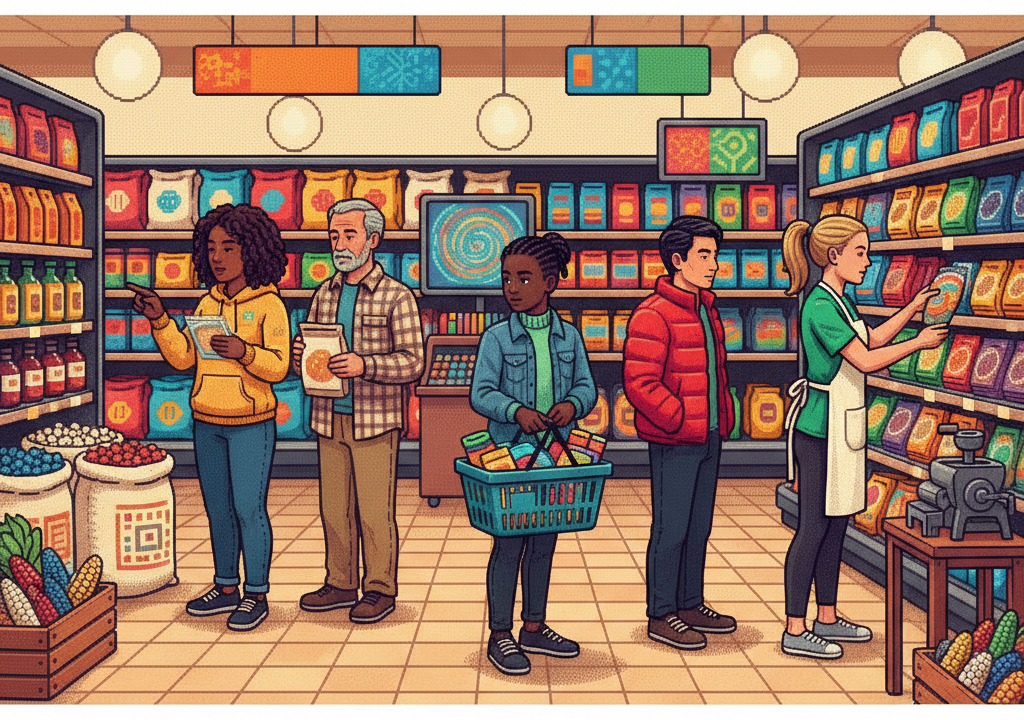
The rise of authentic nixtamalization is transforming the mass-market tortilla aisle from a price-sensitive commodity zone into a high-margin craft category. Leading the charge are brands using landrace corn and traditional methods to capture consumers seeking artisan quality in everyday staples.
What happened

In June 2026, the 'Masa Revolution' reached a tipping point in mainstream retail. Masienda officially secured nationwide placement for its 'Chef-Grade' nixtamalized corn tortillas across 3,500 Target and Safeway locations, marking the death of 'flour-based' corn imitations. Simultaneously, Tortilleria Nixtamall launched a shelf-stable, vacuum-sealed heritage line that uses avocado leaf and citrus acid as natural preservatives, bypassing the need for gums and bleaches. Total sales for heritage-grain tortillas surpassed $3.8 billion this quarter, driven by a 22 percent increase in 'Single-Origin Corn' labeling. This shift is solidified by the launch of 'Guerilla Masa,' a joint venture between Los Angeles chefs and major distributors, bringing high-quality nixtamal to Midwest convenience store chains.
Why it matters

This trend represents the 'Sourdough Moment' for Mexican staples. For decades, the US tortilla market was dominated by highly processed corn flour (masa harina) treated with preservatives to ensure a six month shelf life. This destroyed the nutritional profile and flavor complexity of the grain. Today’s premiumization is driven by 'clean label' desire and a deeper cultural appreciation for the 3,000-year-old process of nixtamalization (soaking corn in lime to unlock Vitamin B3 and protein). It bridges the gap between the wellness movement and authentic ethnic identity, allowing CPG brands to capture a 'premium-functional' price point while appealing to culinary-conscious Gen Z and Millennial demographics.
Market impact

The premium 'Mexican Heritage' CPG segment has surged, now accounting for 14 percent of the total $28 billion US tortilla market as of mid-2026. This sub-sector is growing at a CAGR of 11.2 percent, significantly outperforming the 3.5 percent growth seen in conventional wheat and white corn flour tortillas. Masienda’s expansion into 1,200 Kroger locations and Kernza-hybrid launches from Siete Foods have pushed average unit prices from $2.50 to $7.49. Private label players like Whole Foods Market 365 have pivoted to 'stone-ground' nixtamalized offerings to retain market share, while global leaders like Gruma are investing in separate 'Craft-Masa' facilities to accommodate the demand for additive-free, non-GMO heritage varieties.
Consumer insight

Modern shoppers are increasingly weary of 'factory-bread' attributes in their staples. The visual cue of a non-perfect, stone-ground tortilla, speckled with heritage grain colors like Landrace Blue or Oaxaca Red, communicates authenticity faster than any label claim. Consumers are now treating tortillas like sourdough bread or craft coffee; they are willing to pay a 400 percent markup for a product that tastes like a distinct agricultural ingredient rather than a neutral substrate. There is a growing pride in 'culinary literacy,' where knowing the difference between Maseca flour and nixtamalized masa is a social currency.
Strategic takeaway

Retailers and CPG brands must shift away from long-shelf-life 'chemical' softening agents in favor of transparent, short-ingredient-deck nixtamalized products. Investing in regional landrace supply chains is no longer a niche play but a necessity for shelf-space competition. For established players, the move is to launch 'sub-premium' artisan brands that balance traditional stone-grinding with the distribution scale required for mass grocery, ensuring visible non-uniformity to signal handmade quality to the shopper.
Get the next signal in your inbox.
Daily food industry intelligence — free.
You've reached the end.