
Beverage Trends
Non-Alcoholic Beer Moves Beyond the Standard Lager
IPAs, wheat beers, stouts and seasonal releases are expanding the category, with style credibility and production discipline shaping the portfolio opportunity.
By FTF Editorial Team·September 27, 2026·5 min read
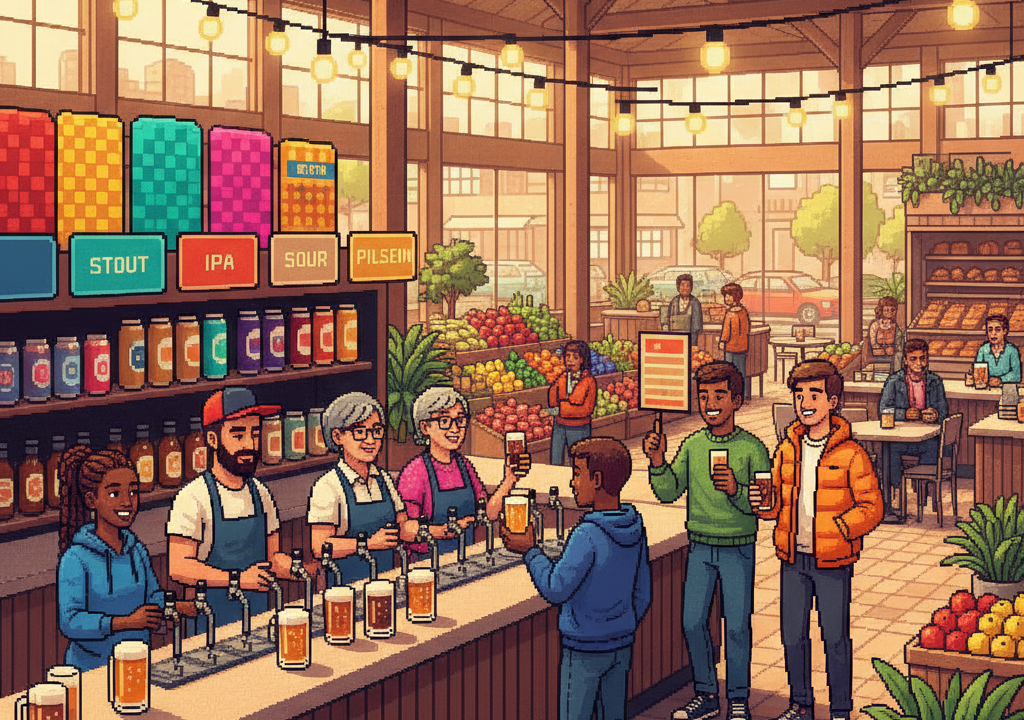
Non-alcoholic beer is no longer a single-style proposition. For brand and innovation managers, the opportunity is to develop distinct beer experiences and drinking occasions without underestimating the economics of making each style work.
What happened

Non-alcoholic beer already spans a wider range of styles than the familiar pale lager. Athletic Brewing markets Run Wild IPA and offers limited releases, Erdinger produces an alcohol-free wheat beer, and Guinness 0 brings the identity of its flagship stout into a non-alcoholic format. These products demonstrate that removing alcohol does not require abandoning recognizable brewing traditions.
The innovation brief is therefore becoming more specific: deliver an IPA with convincing hop character, a wheat beer with an appropriate fermentation profile, or a stout with satisfying roast character and texture. Seasonal and limited-edition beers add another dimension, allowing brands to explore variety without committing every recipe to permanent distribution.
Why it matters

Style authenticity creates a more demanding benchmark than the simple absence of alcohol. IPA drinkers may judge aroma, bitterness and finish, while wheat-beer drinkers may look for yeast-derived fruit and spice notes. For stout, roast character, foam and mouthfeel matter. A product can meet its alcohol specification yet still disappoint against the expectations established by its style name.
Alcohol contributes to beer's sensory balance, and reducing or removing it can change the relationship between sweetness, bitterness, aroma and body. Brewers can use approaches that limit alcohol formation or remove alcohol after fermentation, but neither route makes recipe design incidental. Guinness, for example, describes cold filtration as part of the alcohol-removal process for Guinness 0. The relevant innovation challenge is preserving a coherent beer experience, not merely reaching a numerical threshold.
Market impact

A broader style range gives brewers and retailers more ways to organize the category. Lager can remain an accessible entry point, while IPA, wheat beer and stout provide differentiated reasons to purchase. Seasonal releases can support discovery and retailer interest, although their presence should not be confused with evidence that every style can sustain year-round demand.
The economics vary by recipe and production route. Alcohol-removal equipment can require substantial capital, while external processing introduces fees and logistical dependencies. Hop-intensive recipes add ingredient costs, and a larger assortment creates more packaging inventory, changeovers and demand-planning work. Small seasonal batches can limit exposure to an unproven concept, but they do not automatically deliver attractive unit economics.
Consumer insight

An occasion-led approach avoids treating every non-alcoholic beer as an interchangeable replacement. A hop-forward beer may suit someone seeking craft-beer aroma with a meal; a wheat beer can offer a different flavor profile for daytime refreshment; and a stout can provide a darker, roast-led option for an evening gathering. These are positioning hypotheses to test, rather than assumptions that all consumers use the category in the same way.
The comparison set also changes by occasion. A shopper may compare a non-alcoholic IPA with an alcoholic IPA, another non-alcoholic beer, or a completely different adult soft drink. Research should establish which comparison actually drives choice. Testing only whether a product tastes acceptable in isolation can miss whether it delivers the style and occasion promised on the pack.
Strategic takeaway

Build the portfolio around distinct sensory jobs rather than a checklist of beer styles. Establish a clear role for each permanent product, then use seasonal releases to test additional flavors, occasions and price points. Sensory evaluation should include both relevant style benchmarks and competing non-alcoholic products, with particular attention to aroma, finish, body and performance over shelf life.
Treat production validation as part of concept development. Lower alcohol changes the product's preservation hurdles, so microbiological controls, packaging and shelf-life validation require deliberate attention. Model contribution after ingredients, processing, quality assurance, packaging and distribution, and verify the alcohol content and labeling requirements of each destination market. A credible style proposition is commercially useful only when the brewery can reproduce it safely, consistently and profitably.
Get the next signal in your inbox.
Daily food industry intelligence — free.
You've reached the end.