
Grocery
Persimmon's Retail Opportunity Starts With Ripeness
A better eating-readiness system could matter more than exotic-fruit positioning as fall persimmons enter produce assortments.
By FTF Editorial Team·September 12, 2026·4 min read
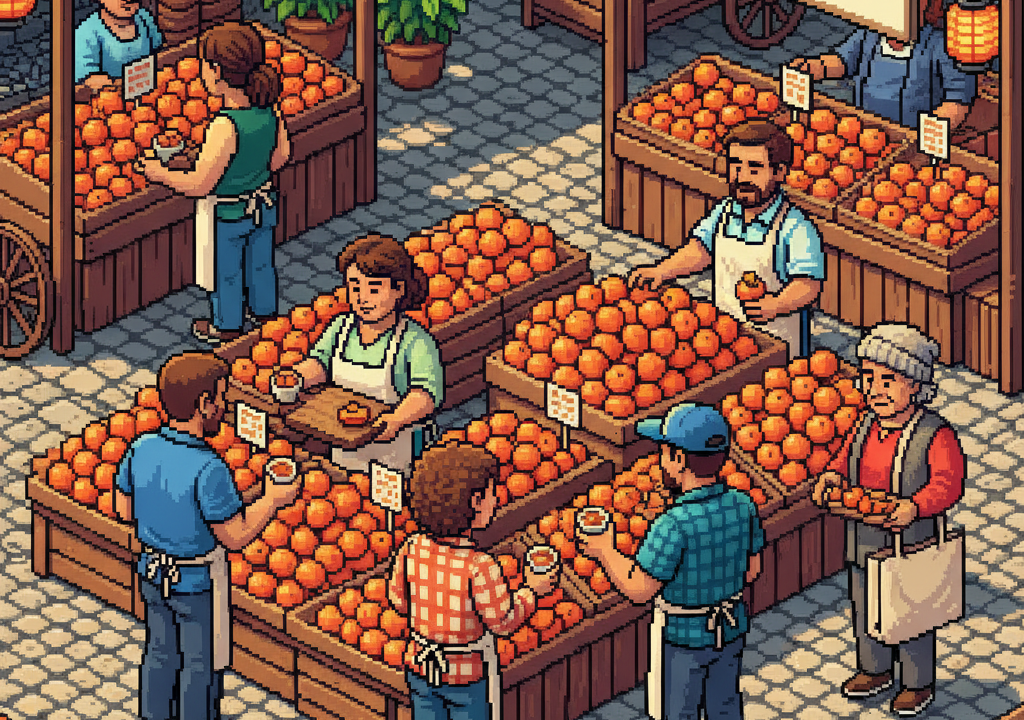
Persimmons can deliver a compelling autumn eating experience, but variety and ripeness determine whether shoppers enjoy their first purchase. Grocery execution needs to make those differences easy to understand.
What happened

As fall sourcing programs develop, persimmons present retailers with a merchandising challenge that is unusually dependent on eating readiness. Availability varies by origin and variety, so September is a planning window rather than a universal domestic harvest peak.
Common Fuyu-type persimmons can be eaten firm, while astringent Hachiya-type fruit generally needs to become very soft before fresh consumption. Presenting both as an undifferentiated specialty fruit risks a disappointing experience that appearance alone cannot prevent.
Why it matters

An unpleasant first bite can close off future purchases. With persimmons, that failure may reflect inadequate handling or education rather than a dislike of the ripe fruit, making customer guidance part of product quality.
The opportunity is not to overload shoppers with horticulture. It is to communicate a simple eating instruction tied to the actual variety, then support it through sorting, staff knowledge and a display that does not mix incompatible readiness cues.
Market impact

Retailers should consider separate merchandising standards for firm-eating and soft-ripe varieties. Those standards affect handling, replenishment and shrink because fruit intended to be eaten very soft can be more vulnerable to damage at the point of sale.
Prepared-food applications offer another route to trial. A properly ripe persimmon component in a fruit cup or seasonal salad can introduce flavor without asking the shopper to manage ripening at home, although preparation labor and shelf life require careful testing.
Consumer insight

Shoppers often judge unfamiliar produce by rules learned from familiar fruit. Firmness can signal freshness in one context and an unpleasant eating experience in another. A clear instruction such as eat firm or ripen until very soft can therefore carry more value than a generic premium claim.
Strategic takeaway

Build variety-specific receiving and display standards; provide a simple eating-readiness instruction at purchase; trial a prepared application alongside whole fruit to measure whether guided tasting supports repeat demand.
Get the next signal in your inbox.
Daily food industry intelligence — free.
You've reached the end.