Retail
QSR-to-Shelf: Chains Convert Foot Traffic Into CPG
Top fast-food players are weaponizing brand loyalty to dominate the grocery aisle, turning diners into repeat retail shoppers.
By FTF Editorial Team·July 9, 2026·4 min read
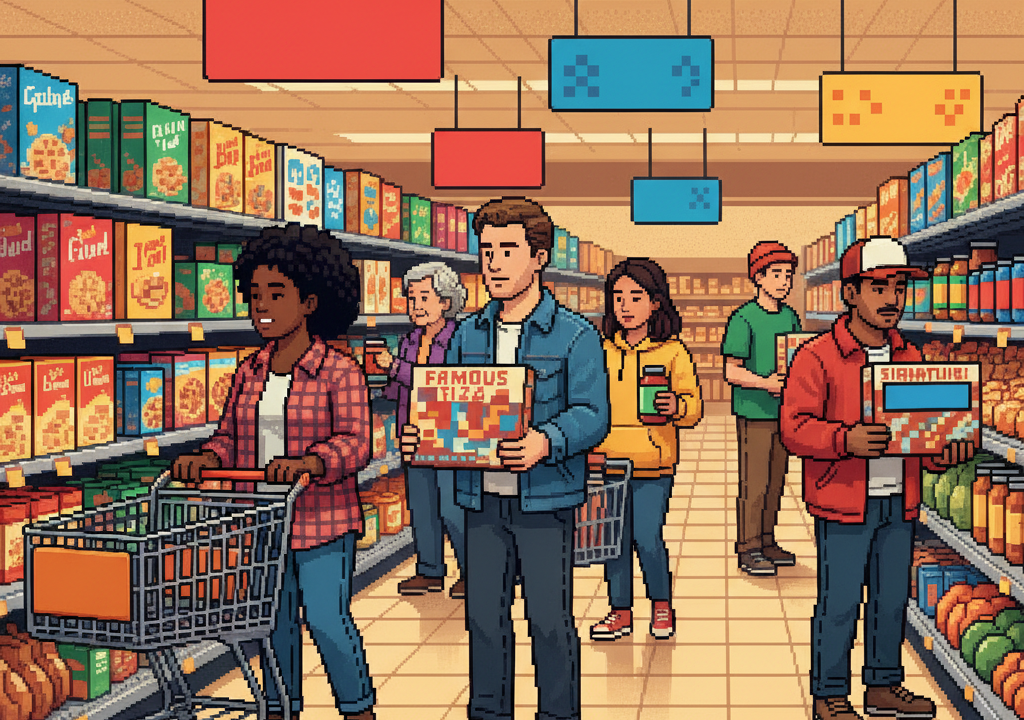
From signature sauces to frozen entrees, Quick Service Restaurants are aggressively expanding into the CPG space to capture home-dining dollars and diversify revenue streams.
What happened

The barrier between the restaurant kitchen and the grocery aisle is dissolving. Major Quick Service Restaurant (QSR) players (ranging from coffee giants to taco chains and chicken specialists) are aggressively launching Consumer Packaged Goods (CPG) lines. This transition involves translating proprietary flavors, such as signature sauces, coffee blends, and frozen appetizers, into standardized retail products. By leveraging existing supply chains and massive brand recognition, these chains are successfully securing prime real estate on supermarket shelves, which traditionally has been held by specialized food manufacturers.
Why it matters

This trend represents a strategic pivot toward an omnichannel business model. For QSRs, CPG offers a way to hedge against fluctuating restaurant foot traffic caused by economic shifts or changing work-from-home habits. It facilitates 'brand omnipresence,' keeping the label in front of the consumer during every part of the meal-planning cycle. Strategically, it allows brands to monetize their intellectual property (recipes) with lower overhead than opening new physical locations.
Market impact

This movement creates intense competition for legacy CPG brands. QSRs enter the aisle with pre-built brand equity and massive marketing budgets, often displacing mid-tier generic or traditional house brands. It also shifts the data landscape, as chains gain access to grocery purchase metrics that complement their own point-of-sale data, providing a 360-degree view of consumer eating habits.
Consumer insight

Modern consumers are seeking 'at-home premiumization' and convenience. Fans of specific QSR brands exhibit high brand loyalty and desire to replicate the restaurant experience at a lower price point than dining out. The purchase is often driven by 'flavor familiarity,' the psychological comfort of a known taste profile, which reduces the perceived risk of trying a new grocery product.
Strategic takeaway

Operators should view CPG not just as a secondary revenue stream, but as a critical marketing vehicle. To succeed, brands must ensure 'flavor parity' between the restaurant and the retail product to protect brand integrity. Small to mid-sized chains should start with high-margin, shelf-stable items like sauces or rubs before scaling to complex frozen logistics.
Get the next signal in your inbox.
Daily food industry intelligence — free.
You've reached the end.