Grocery
Quick Commerce Grocery Finally Finds Its Unit Economics
Instacart, GoPuff, and Getir 2.0 are quietly profitable by abandoning 15-minute delivery.
By FTF Editorial Team·May 11, 2026·5 min read
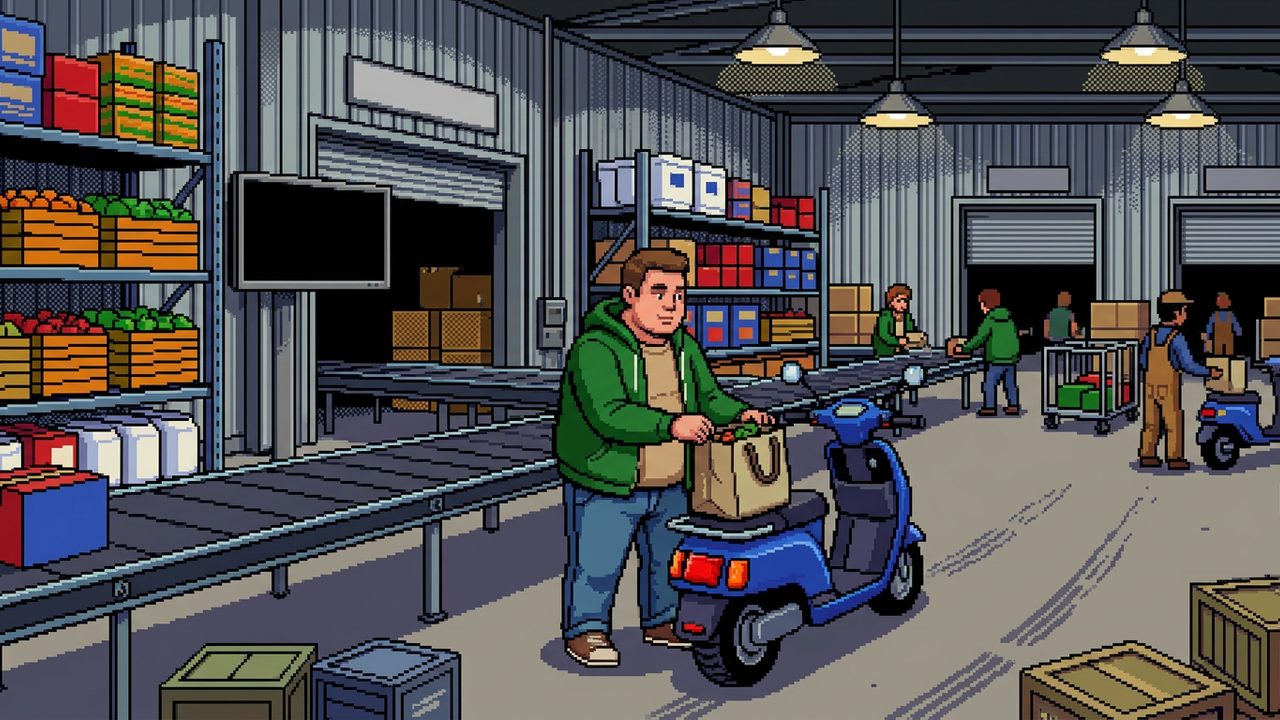
The 30–60 minute window, batched orders, and store-pick fulfillment cracked a model that 15-minute dark stores never could. The next chapter is private-label.
What happened

After the 2022–2023 dark-store collapse, surviving quick-commerce operators have shifted to 30–60 minute delivery windows, batched routing, and store-pick fulfillment from existing grocery footprints. Instacart and several regional players reported positive contribution margin on rapid-delivery orders for the first time this quarter.
Why it matters

Quick commerce is no longer a venture-funded land grab. It is a margin-positive layer on top of existing grocery infrastructure. The model that works looks more like Domino's than Gorillas.
Market impact

Expect Kroger, Albertsons, and Ahold to deepen partnerships with delivery platforms while building owned rapid-delivery brands. Independent quick-commerce pure plays will continue to consolidate.
Consumer insight

Speed expectations have reset; 30 minutes is the new 15. Convenience-driven shoppers care more about reliability and basket completeness than raw speed.
Strategic takeaway

CPG brands should treat rapid-delivery as a distinct merchandising channel: smaller pack sizes, impulse adjacencies, and dynamic pricing. The shopper journey is fundamentally different from a traditional grocery trip.
Get the next signal in your inbox.
Daily food industry intelligence — free.
You've reached the end.