
Packaging
Refillable Packaging Gets Its Second Act
After Loop's stumble, a new wave of in-store refill stations is quietly working.
By FTF Editorial Team·May 21, 2026·5 min read
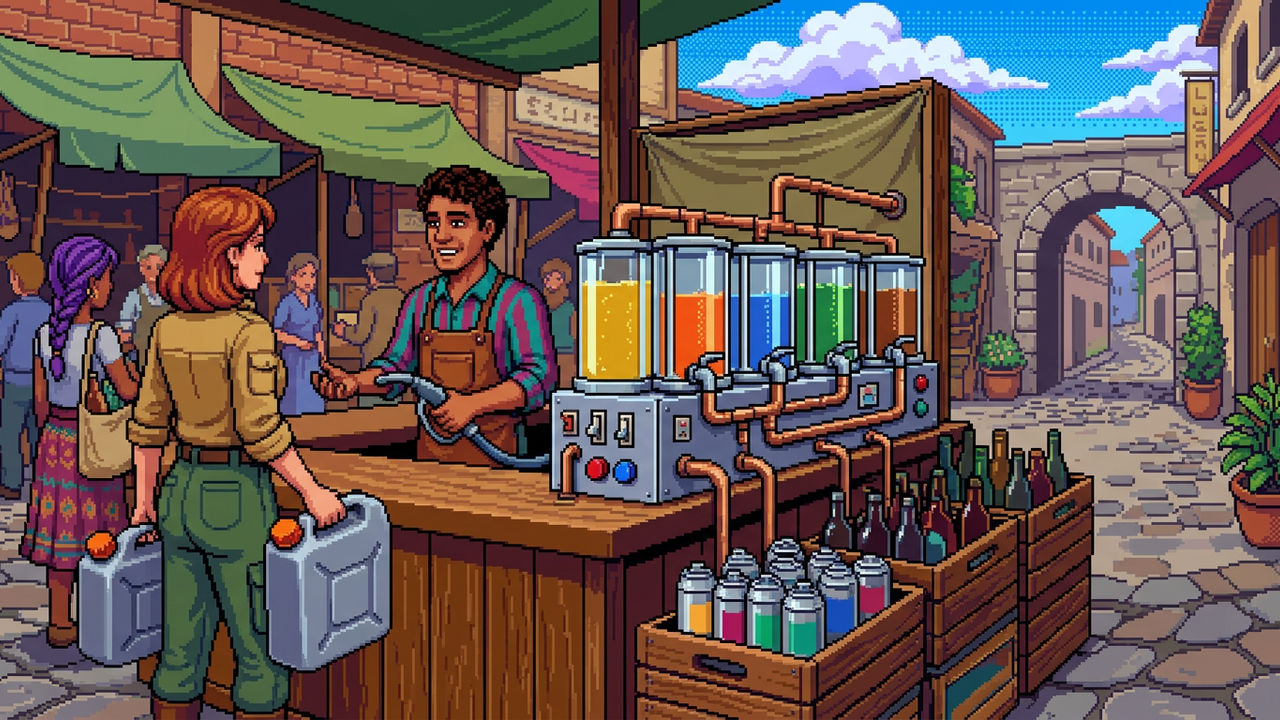
Refillable packaging, left for dead after Loop's retreat from US grocery in 2023, is quietly returning through in-store refill stations rather than mail-back systems.
What happened

Whole Foods is piloting in-store refill stations for olive oil, honey, and laundry detergent in 14 stores. Algramo, the Chilean refill startup, raised $25M to expand US ops. Unilever and P&G are both running refill pilots in European grocery, with US tests planned for late 2026.
Why it matters

The first refill wave failed because it required consumers to change behavior twice: bring containers AND return them. In-store refill changes behavior once: bring (or buy) a container at the shelf. Unit economics also work better at fixed retail locations.
Market impact

Watch for refill stations to expand from condiments and oils into coffee, snacks, and pet food. The economics work best for high-velocity, low-perishability SKUs.
Consumer insight

Consumers say they want refill but historically do not follow through. The retailers seeing real conversion are pricing refills 15-25% below packaged equivalents; discount is the unlock, not eco-virtue.
Strategic takeaway

If you are a brand with a hero SKU in oils, condiments, or dry goods, get into a refill pilot now. The category will likely have 1-2 dominant refill-station operators by 2028: vendor terms get locked early.
Get the next signal in your inbox.
Daily food industry intelligence — free.
You've reached the end.