
Sustainability
Regenerative Beef Lands in Mass Grocery
Force of Nature, Thousand Hills, and White Oak Pastures have crossed from specialty into Sprouts, Whole Foods, and select Kroger stores. The supply story is the constraint.
By FTF Editorial Team·May 4, 2026·5 min read
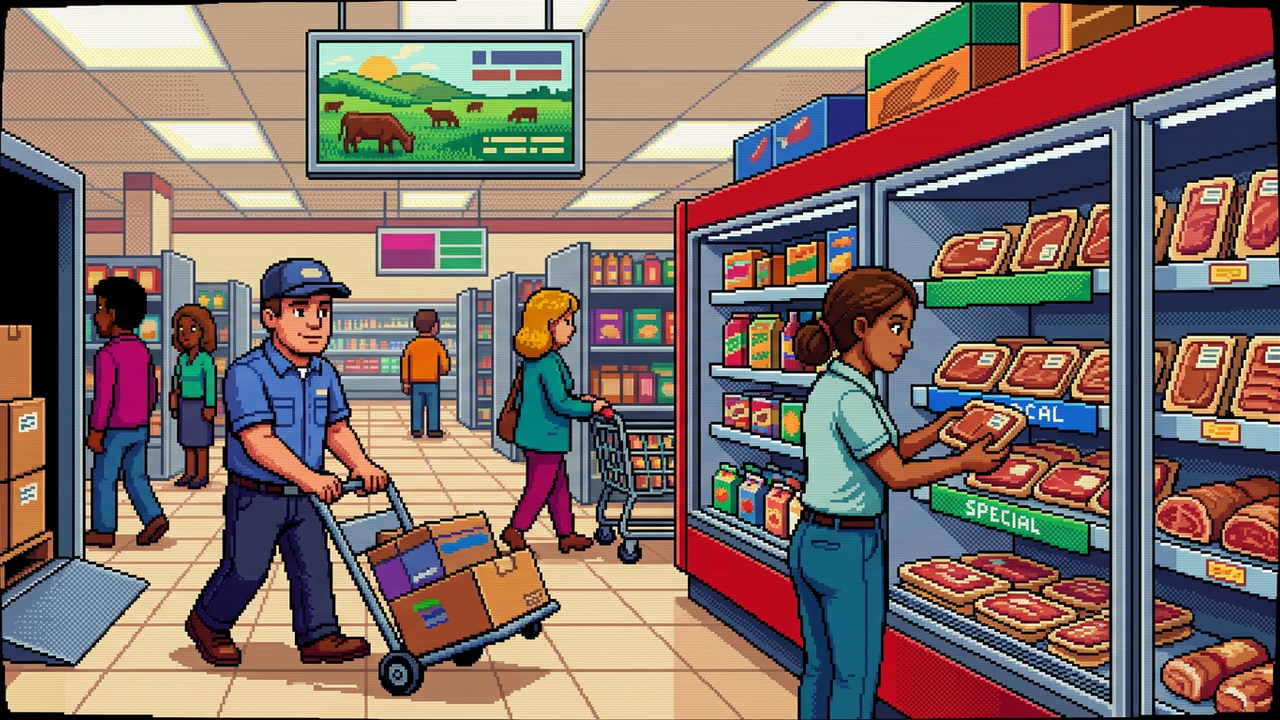
Regenerative beef is no longer DTC-only, but supply, not demand, is what gates the next phase.
What happened

Mass-channel availability of regeneratively raised beef has expanded sharply, with several brands now in 1,000+ store distribution and major grocers piloting private-label regenerative SKUs.
Why it matters

The category's production model (slower-growing animals on diverse pastures) caps supply growth at a fraction of conventional beef's scale-up rate. Demand is outrunning ranchers' ability to transition.
Market impact

Expect formal regenerative certification consolidation, major CPG investment in rancher transition financing, and a pricing premium that holds as supply slowly catches up.
Consumer insight

Shoppers willing to pay 40-80% premiums for regenerative beef describe it as a values purchase (soil health, carbon, animal welfare) rather than a nutrition claim, which is a more durable buying motivation.
Strategic takeaway

If youre in protein procurement, a 5-year regenerative transition plan with ranching partners is now strategic infrastructure, not a PR project.
Get the next signal in your inbox.
Daily food industry intelligence — free.
You've reached the end.