
CPG
Single-Serve Pour-Over Coffee Sells Brewing Without the Brewer
Drip bags and disposable filters give hotels, travelers and workplaces a route to fresh-brewed coffee, with freshness and packaging choices shaping the proposition.
By FTF Editorial Team·October 10, 2026·5 min read
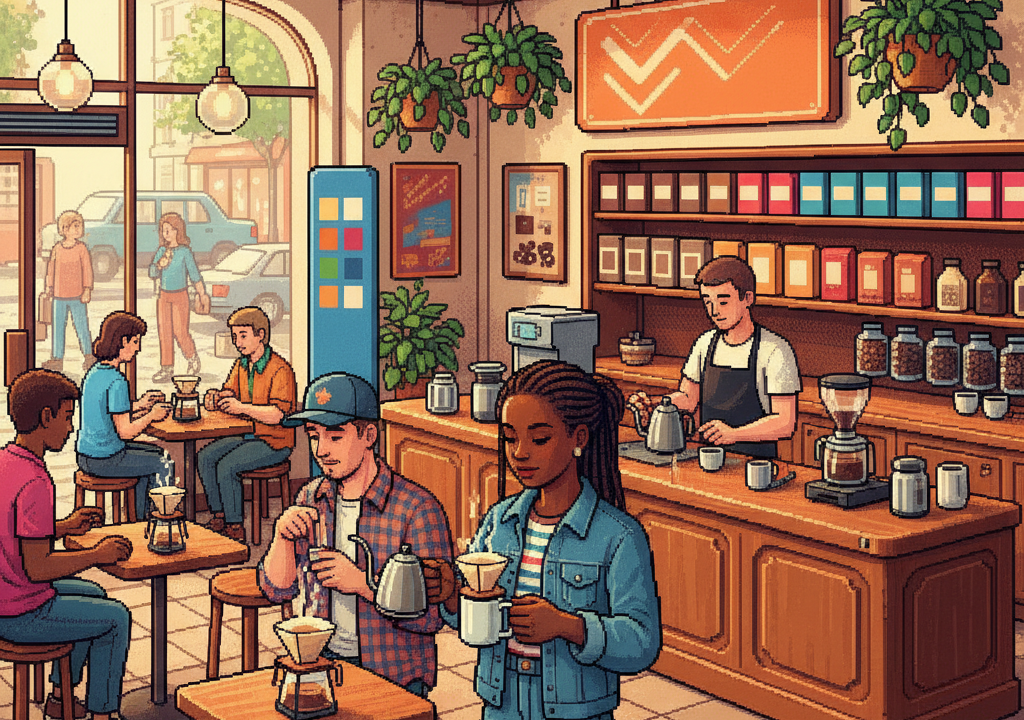
Single-serve pour-over formats package ground coffee with its own brewing filter, leaving consumers to supply a cup and hot water. For brands, the opportunity is to make origin-led coffee portable without hiding the practical limits of brewing, freshness and waste.
What happened

Single-serve pour-over coffee turns the filter and dose into one portable product. In a typical drip bag, folded paper supports hook over a cup while hot water passes through ground coffee inside a filter pouch. Other disposable pour-over formats use a frame that rests on the cup. Unlike instant coffee, these products extract a beverage from coffee grounds during preparation and leave the grounds behind.
The format is established rather than newly invented. Japanese coffee companies including UCC sell single-cup drip products, while brands such as Kuju market portable pour-over coffee for use away from a conventional brewing setup. The innovation opportunity is not a new extraction method, but a more accessible package for a familiar one: brewing coffee directly into the drinking vessel without a separate reusable dripper.
Why it matters

For brand and innovation managers, the format connects portion control with a visible brewing ritual. A measured dose reduces one preparation decision, and the supplied filter removes the need to own or carry a brewer. Origin, roast and tasting-note information can sit directly on the individual pack, giving coffee brands room to differentiate beyond convenience alone.
However, “no equipment” needs qualification. Consumers still require a suitable cup, hot water and somewhere to discard wet grounds. Water temperature, pour technique and cup size also influence the result. Hotels and workplaces therefore need to evaluate the whole preparation setting, not simply replace one coffee sachet with another.
Market impact

The format creates a potential middle ground between instant coffee and machine-based single servings. It does not require a compatible capsule machine or the cleaning and replenishment associated with a shared brewer. It also introduces more hands-on preparation than instant coffee, so its appeal depends on whether the setting rewards that extra involvement.
Hotels, travel retail and workplaces are logical channels to test because access to preferred brewing equipment can be limited. Relevant commercial measures include cost per prepared cup, pack storage, preparation time and cleanup requirements. A hotel amenity, an office pantry product and a travel accessory may use similar brewing hardware, but each needs a different price, assortment and service proposition.
Consumer insight

The consumer promise is control over coffee choice away from home. A traveler can carry a preferred origin or roast instead of relying entirely on the available coffee service. Opening a portion, positioning the filter and pouring water also makes preparation visible, which can support a craft-oriented proposition without requiring consumers to measure loose grounds.
That promise depends on intuitive execution. Clear illustrations should show how to open the bag, secure its supports, add water and remove it safely. Brands should test the format with ordinary mugs and readily available hot-water sources. Instructions that depend on an exact pouring technique can undermine a product positioned around convenience.
Strategic takeaway

Build the proposition around a specific use occasion and validate the coffee through the intended shelf life. Grinding increases the surface area exposed to the environment, making protection against oxygen and moisture important. Individual barrier packaging and, where used, nitrogen flushing can help manage deterioration, but neither substitutes for sensory testing. “Freshly brewed” is a more precise promise than implying the coffee has just been ground.
Treat packaging as part of the product design, not an afterthought. The filter, supports and protective wrapper each perform a function, but also create a material trade-off. Reducing packaging must be balanced against maintaining coffee quality, while recyclable or compostable claims need to reflect the actual components and available disposal systems. The strongest proposition pairs distinctive coffee with reliable brewing instructions and specific, supportable packaging claims.
Get the next signal in your inbox.
Daily food industry intelligence — free.
You've reached the end.