Ingredients
The Great Cobalt Shift: Spirulina Becomes the Industry’s Blue Standard
The transition to phycocyanin-based coloring reaches a tipping point as supply chain innovations drive down costs for vibrant, plant-based blues.
By FTF Editorial Team·June 11, 2026·4 min read
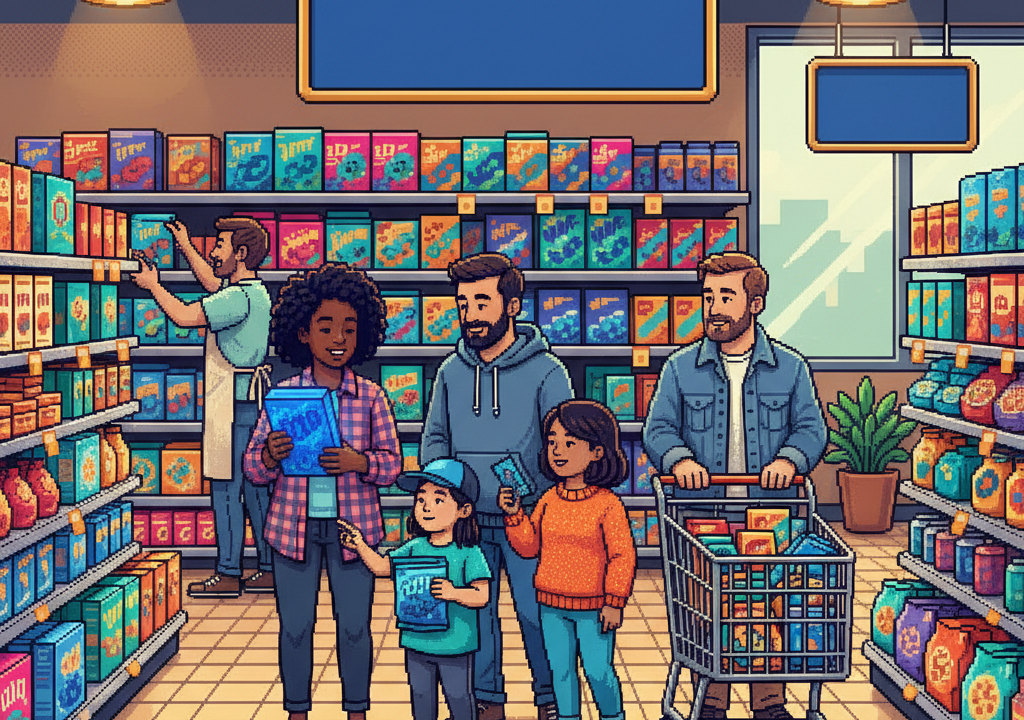
Following sweeping legislative bans on synthetic dyes in 2025, the food industry has successfully scaled spirulina-based phycocyanin to meet mass-market demand. Global leaders like Nestlé and Mondelez are now deploying stabilized blue algae extracts across mainstream cereal and confectionery lines.
What happened

In June 2026, the food industry reached a definitive pivot point in the 'Blue Transition.' Following the 2025 California and New York bans on certain synthetic additives, major CPG (Consumer Packaged Goods) players have finalized their reformulations. General Mills recently announced that its entire 'fruit-flavored snack' portfolio now uses phycocyanin (a pigment derived from spirulina) to achieve the signature azure hues previously reliant on Blue 1. Concurrently, GNT Group opened its largest-ever algae processing facility in the Netherlands, increasing global spirulina extract capacity by 35 percent. This scale-up finally allowed high-volume products, including PepsiCo’s revamped Gatorade 'Natural Blue' line, to achieve shelf-stable vibrancy without the off-notes or sedimentation issues that plagued early phycocyanin trials in 2023.
Why it matters

This shift represents more than just a palette swap; it is a fundamental restructuring of the global additives supply chain. For decades, synthetic blues were the cheapest and most stable options, making blue-colored foods a hallmark of ultra-processed goods. The move to spirulina validates the commercial viability of algae-based bioproduction at scale. It also signals a permanent regulatory shift where 'natural' is no longer a premium niche but a baseline requirement for market entry. Companies that failed to secure phycocyanin supply chains early are now facing a 20 percent higher ingredient cost than early adopters, proving that ingredient sustainability is now synonymous with fiscal resilience.
Market impact

The natural food colorant market is currently valued at 3.2 billion dollars, with the blue segment specifically growing at a CAGR of 14.8 percent through 2028. This surge follows the widespread adoption of the 'Clean Color Act of 2025' in various US states and EU territories. As supply chains for GNT’s EXBERRY line and Sensient’s spirulina solutions stabilize, the price premium for natural blue has dropped from 4x the cost of synthetics to just 1.5x in the last eighteen months. This price compression is enabling private-label retailers, such as Trader Joe’s and Whole Foods, to fully eliminate synthetic dyes from their entire frozen novelty and bakery portfolios without significantly squeezing margins.
Consumer insight

Today’s consumer views 'Blue 1' and 'Blue 2' as chemical red flags, yet their desire for Instagrammable, high-vibrancy food remains at an all time high. This has created a 'natural intensity gap' that people are willing to pay for. Gen Z and Millennial parents, in particular, are driving the shift, with 68 percent of surveyed households stating they will only buy confectionery that uses plant-based pigments. They are no longer satisfied with muted, muddy earth tones; they want the neon blue of a 'Blue Raspberry' slushie but sourced from a pond rather than a petroleum lab.
Strategic takeaway

R&D departments must prioritize phycocyanin stability in high-acid and high-heat environments. While spirulina is the current gold standard, it remains sensitive to UV light and heat. Brands should secure long-term contracts with algae cultivators now to hedge against price volatility as more regions adopt synthetic bans. Furthermore, marketing should pivot from 'no artificial colors' to positive messaging about the nutritional benefits of algae-derived pigments to justify the remaining price delta to consumers.
Get the next signal in your inbox.
Daily food industry intelligence — free.
You've reached the end.