Regulation & Recalls
The Saffron Purge: How Forensic Testing Replaced Trust at Retail
New molecular testing mandates and mass recalls are purging fraudulent products from the global spice trade.
By FTF Editorial Team·June 9, 2026·5 min read
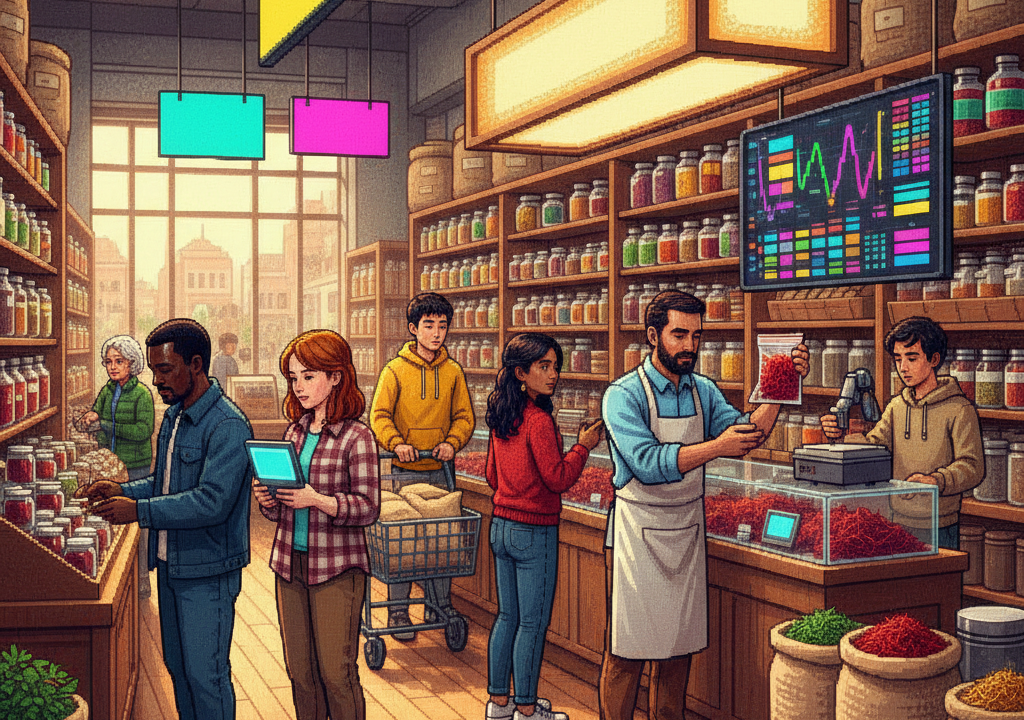
A sweeping regulatory crackdown led by the FDA and EFSA has unearthed systemic adulteration in the saffron supply chain, forcing a total overhaul of premium spice retail. As blockchain-verified sourcing becomes the new industry standard, brands are racing to implement molecular fingerprinting to maintain shelf space.
What happened

On June 12, 2026, the FDA, in coordination with Europol, announced 'Operation Crimson Thread,' a massive enforcement action targeting saffron adulteration. Testing revealed that over 40% of samples from mid-tier brands contained artificial dyes like Sunset Yellow or plant-based fillers like dyed silk. Major retailers including Whole Foods and Waitrose have issued immediate recalls for brands failing the new ISO 3632-1:2026 purity standards. Leading spice conglomerates like McCormick & Company have proactively launched 'Purity Shield' labeling, utilizing molecular-tagging technology Developed by TruTag. Meanwhile, the Iranian Saffron Export Council has partnered with tech-firm ChainVine to launch a national blockchain registry to prevent the blending of high-grade threads with low-quality remnants at international transshipment points in Dubai and Spain.
Why it matters

Saffron is the world's most expensive spice, often retailing for over $5,000 per kilogram, making it a primary target for sophisticated food fraud. This crackdown signifies a shift in regulatory focus from mere safety to economic integrity. For manufacturers and retailers, the financial stakes are massive; a single recall can jeopardize a brand's entire 'premium' positioning. This movement sets a precedent for other high-value commodities like vanilla, Manuka honey, and extra virgin olive oil. As regulators adopt 'digital twin' supply chain monitoring, the ability to hide provenance behind complex intermediaries is disappearing, forcing a total professionalization of the spice trade.
Market impact

The global saffron market is undergoing a valuation correction, projected to grow at a CAGR of 8.2% through 2030 despite the recent scandal. However, the 'verified authentic' segment is outpacing the broader market with a 14% year-over-year surge. The June 2026 crackdown resulted in the immediate removal of nearly 35% of saffron-labeled products from major US and EU shelves, creating a temporary supply vacuum worth an estimated $140 million. Small-scale boutique importers like Zaffron Era and Origin Herbals have seen their market share double overnight as they leverage ISO 3632-1:2026 compliance. Industrial buyers in the food service sector are shifting long-term contracts toward hydroponic saffron producers in vertical farms to mitigate regulatory risk.
Consumer insight

Modern affluent consumers are no longer satisfied with 'organic' or 'gourmet' labels; they demand forensic proof of origin. A 2026 Mintel study indicates that 68% of premium spice buyers are willing to pay a 25% surcharge for products featuring blockchain-verified batch testing. There is a growing 'spice literacy' among home cooks who can now distinguish between real Crocus sativus threads and dyed safflower or corn silk. This shift is driving a 'less but better' mentality, where shoppers prefer a 0.5-gram vial of verified Iranian or Spanish saffron over a larger, cheaper container of suspect origin.
Strategic takeaway

Brands must transition from trust-based to tech-based sourcing. Implementing HPLC (High-Performance Liquid Chromatography) testing on every batch is no longer optional; it is a prerequisite for retail listing. Procurement officers should diversify away from traditional bulk brokers and toward direct-trade relationships with 'certified-pure' cooperatives. Marketing teams should pivot to 'forensic transparency,' using QR codes that link directly to lab purity results to rebuild consumer confidence and justify premium price points.
Get the next signal in your inbox.
Daily food industry intelligence — free.
You've reached the end.