
Sustainability
The Trash-to-Cash Revolution: Reverse Vending Captures the US Isle
The rise of high-tech automated recycling hubs is turning beverage waste into digital currency and retail loyalty.
By FTF Editorial Team·June 13, 2026·5 min read
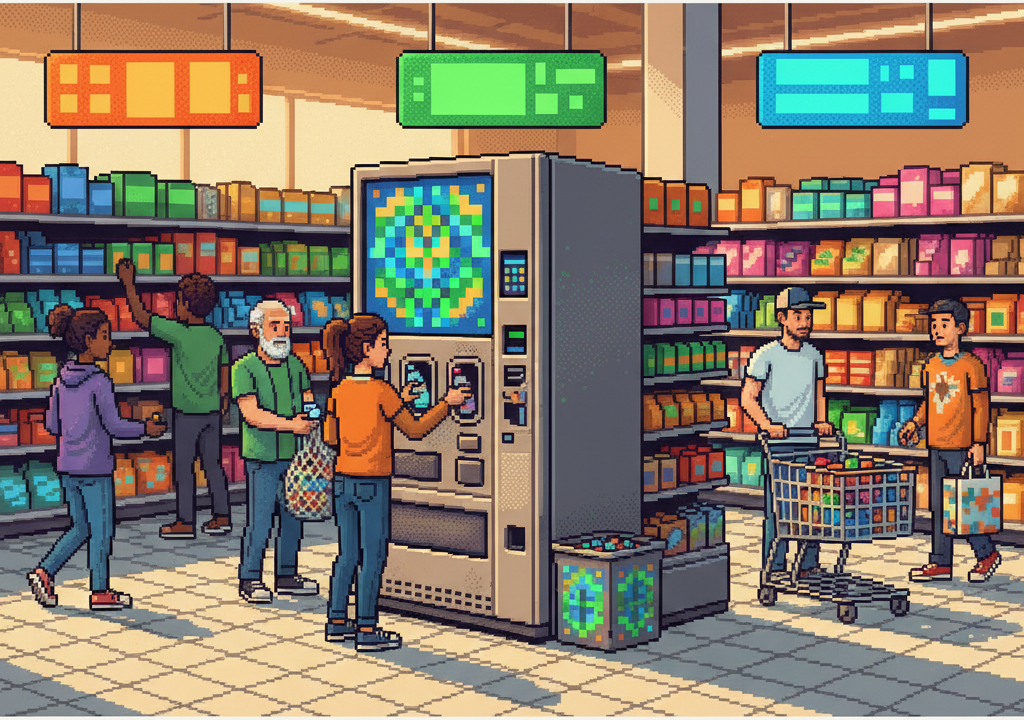
The integration of AI-powered reverse vending systems across major US grocery chains is hitting a tipping point as national deposit legislation gains momentum. We analyze how giants like Kroger and Wegmans are leveraging these machines to drive foot traffic and secure closed-loop material streams.
What happened

As of June 2026, the landscape of American grocery retail has been reshaped by the deployment of over 15,000 AI-assisted reverse vending units across the Sun Belt and Midwest. Industry leader Kroger announced this month that its 'Loop-Back' partnership with recycling tech firm Tomra has expanded to 800 additional locations, offering consumers instant digital wallet credits or crypto-loyalty points for every PET, glass, or aluminum container returned. Simultaneously, Wegmans has debuted the 'Eco-Kiosk' in its Northeast corridor, featuring advanced vision sensors that identify non-compliant materials in real-time, preventing bin contamination. These installations follow the passing of state-level deposit laws in five new territories, creating a standardized 10-cent reclaim value that has sparked a 30 percent increase in store foot traffic during weekday off-hours.
Why it matters

This trend marks a fundamental shift from passive recycling to an active circular economy within the retail footprint. For decades, the US lagged behind Europe in container recovery; however, the integration of RVMs directly into the grocery foyer solves the 'last mile' problem of material collection. For retailers, these machines are high-value real estate that drive repeat visits and increase app engagement. For beverage manufacturers, the machines provide a clean, high-purity stream of rPET and aluminum, which is essential as global demand for recycled materials outstrips supply. The move also preempts coming federal scrutiny regarding plastic waste, positioning early adopters as leaders in environmental social governance (ESG) metrics.
Market impact

The US reverse vending machine (RVM) market is projected to reach 1.8 billion dollars by 2028, growing at a CAGR of 14.2 percent. This surge is fueled by the 2026 Federal Plastics Reduction Act, which incentivizes states to adopt 10-cent deposit minimums. Retailers implementing these systems, such as the Revenda-X units, are seeing a 4.5 percent lift in average basket size from 'deposit-return' trips. Aluminum and PET reclaim quality has improved by 40 percent compared to commingled curbside pickup, significantly lowering procurement costs for beverage giants like PepsiCo and Coca-Cola who are desperate for food-grade recycled content to meet 2030 net-zero mandates.
Consumer insight

Modern shoppers are increasingly suffering from green fatigue but remain motivated by tangible, immediate rewards. Data from the 2026 Circularity Index shows 72 percent of Gen Z consumers prefer manual participation in recycling if it results in instant digital currency or retail credit. This shift toward gamified sustainability allows consumers to feel they are reclaiming value from inflation-impacted grocery budgets. The ease of the tap-to-pay interface on the latest vending units has removed the friction of traditional bottle depots, turning a chore into a seamless five-second step in the weekly shopping commute.
Strategic takeaway

Retailers must move beyond compliance and view RVMs as sophisticated data-collection hubs. By integrating deposit returns with loyalty apps, stores can capture hyper-local consumption data that was previously lost to the waste stream. Brands should partner with technology providers like Tomra or Cycle to offer brand-specific 'bonus points,' effectively turning the recycling station into a high-visibility marketing touchpoint that reinforces brand loyalty at the very end of the product lifecycle.
Get the next signal in your inbox.
Daily food industry intelligence — free.
You've reached the end.