CPG
Ube Grows Up: The Purple Yam Moves Beyond the Instagram Novelty
Filipino ube is shedding its viral-color reputation to become a credible, flavor-first ingredient in bakery and dairy aisles.
By FTF Editorial Team·June 21, 2026·4 min read
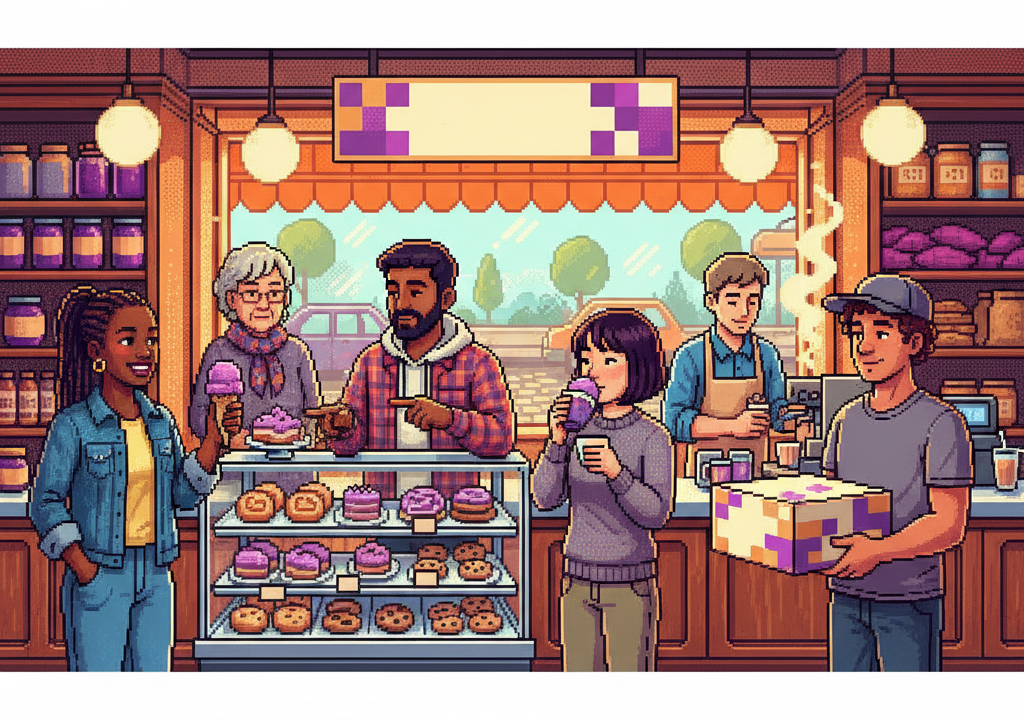
Ube is transitioning from a photogenic novelty to a genuine flavor platform in 2026, with bakery, ice cream, and spread brands emphasizing its nutty-vanilla taste over its purple hue.
What happened

After years as a social media color stunt, ube (the violet Filipino purple yam) matured into a serious flavor category in 2026. Manila Pantry Co. expanded its ube halaya spread into national grocery, while Frostline Creamery made ube its top-three best-selling pint flavor for the first time. Crucially, marketing has pivoted from 'look how purple' to 'taste this nutty, vanilla-coconut warmth.' Supply professionalized too. Importers moved from inconsistent frozen grated yam to standardized ube powder and paste with controlled color and Brix, letting manufacturers guarantee flavor and shade batch to batch. That reliability unlocked contracts with mid-size bakeries and a national doughnut chain that added an ube-glazed line in April. The Filipino-American community's growing cultural visibility provided authentic momentum, with brands increasingly partnering with Filipino chefs and founders rather than appropriating the ingredient cosmetically.
Why it matters

Ube's evolution is a case study in how a viral ingredient survives past the hype cycle: by delivering real flavor and by anchoring in genuine cultural roots. Brands that treated ube as mere color faded; those that respected it as a flavor and heritage ingredient built durable demand. It also signals retailers' growing comfort merchandising Southeast Asian flavors as everyday options, not ethnic-aisle curiosities, expanding the addressable market well beyond diaspora shoppers.
Market impact

Standardized ube paste and powder have cut formulation risk dramatically, fueling an estimated 35% rise in ube SKUs across bakery and frozen dessert categories. Premium positioning holds, with ube products averaging a meaningful price premium over vanilla equivalents.
Consumer insight

Consumers who first tried ube for its color now return for its taste, a sign the flavor has earned repeat purchase. Authentic sourcing and Filipino founder stories strongly influence purchase intent among the trend's most engaged buyers.
Strategic takeaway

Invest in standardized ube supply and authentic cultural partnerships; market the flavor, not just the hue, to convert novelty trial into lasting repeat purchase.
Get the next signal in your inbox.
Daily food industry intelligence — free.
You've reached the end.