Sustainability
Waste No More: The Rise of Circular Flour in Mainstream Snacks
Circular supply chains transform brewery waste and fruit byproducts into high-fiber snack staples.
By FTF Editorial Team·June 1, 2026·3 min read
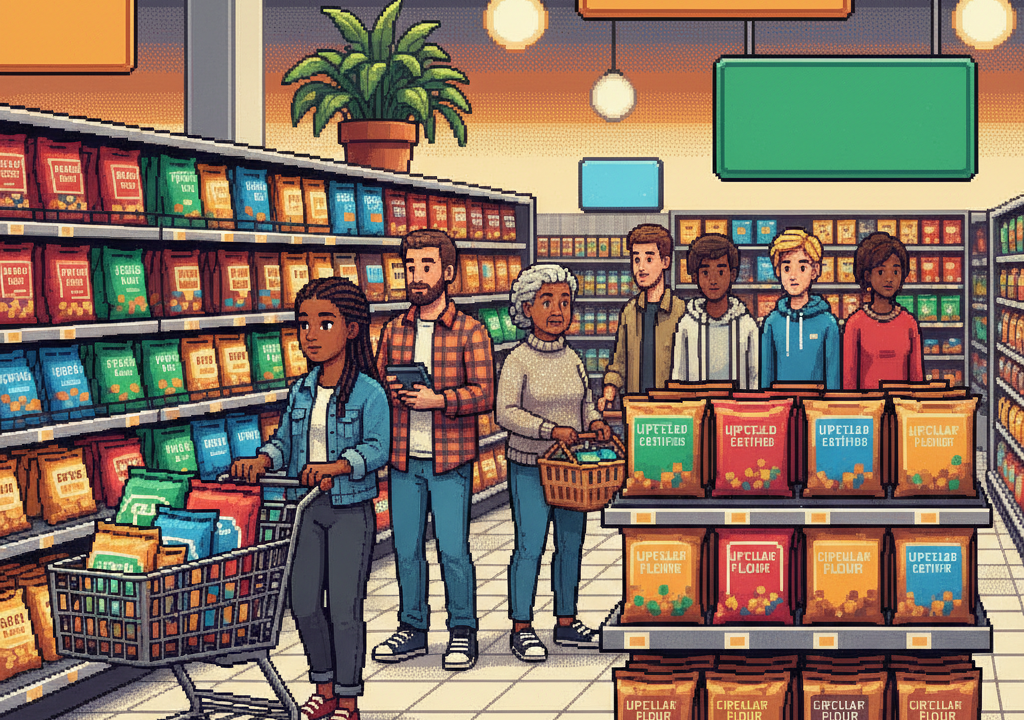
Upcycled spent grains and fruit-pulp flours are transitioning from specialty aisles to mainstream bakery shelves as major CPG brands integrate circular supply chains.
What happened

In May 2026, Mondelez International announced a flagship partnership with EverGrain to incorporate 'Barley+,' a flour derived from spent brewer's grain, into its global Ritz and Wheat Thins lines. Simultaneously, Kroger expanded its 'Simple Truth' private label to include six new baking mixes utilizing flour made from upcycled coffee cherries and apple pomace. These moves follow a landmark USDA ruling earlier this year that streamlined the labeling requirements for 'circular-sourced ingredients,' allowing brands to more aggressively market their waste-reduction metrics on the front of the pack.
Why it matters

This shift marks the end of upcycling as a 'craft' gimmick. By integrating byproduct flours into billion-dollar legacy brands, the industry is significantly de-risking the supply chain for circular ingredients. For manufacturers, these flours provide more than just a marketing story; they offer a nutrient-dense profile (typically double the fiber and triple the protein of traditional white flour) at a stabilizing price point as wheat volatility continues to plague global markets.
Market impact

The upcycled ingredient market is projected to reach $82 billion by the end of 2026, growing at a CAGR of 7.2%. Companies like ReGrained (now under the Upcycled Foods Inc. umbrella) and EverGrain by AB InBev have reported a 40% YoY increase in B2B inquiries. Major industrial players like Puratos and Cargill have launched dedicated 'reclaimed' flour lines to meet the sudden surge in demand from national private-label retailers.
Consumer insight

The modern consumer is moving beyond 'carbon neutral' toward 'circular consumption.' No longer satisfied with mere recycling, Gen Z and Millennial cohorts (who now command 48% of grocery spending) view food waste as a design flaw. Recent survey data from Mintel indicates that 64% of shoppers prefer snacks with 'visible sustainability stories,' such as identifying the specific brewery or mill where ingredients originated. This has transformed upcycled flour from a niche 'eco-sacrifice' to a badge of culinary sophistication.
Strategic takeaway

CPG operators should immediately audit their product portfolios for high-volume flour usage. Transitioning even 10% of base flour to upcycled alternatives offers a dual win: meeting Scope 3 emission targets while commanding a 15-20% price premium for 'circular' branding. Procurement teams should secure long-term contracts with brewery-to-food processors now, as high-quality spent grain supply is becoming a competitive bottleneck.
Get the next signal in your inbox.
Daily food industry intelligence — free.
You've reached the end.