
Food Tech
Global Snack Mashups Hit the Freezer Case: Korean Corn Dogs, Birria Ramen and Beyond
For 2026 innovation planning, cross-cultural comfort foods offer a platform for frozen snacks and fast-casual menus, but each format faces a different path to scale.
By FTF Editorial Team·August 26, 2026·4 min read
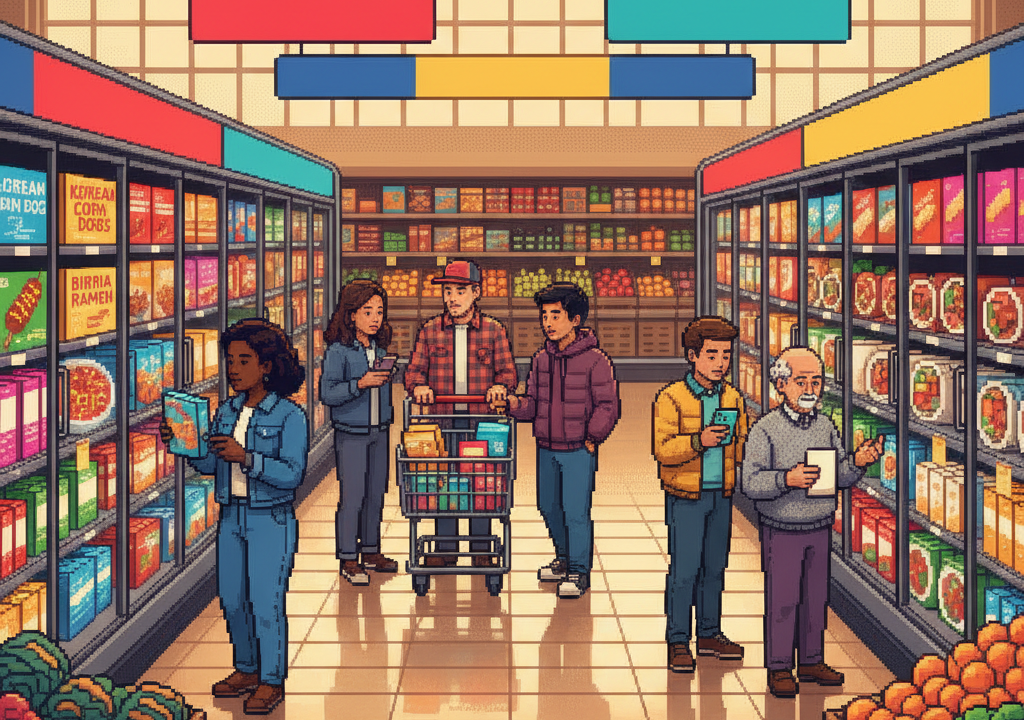
Korean-style corn dogs, birria ramen and sushi burritos show how familiar formats can make global flavors more approachable. The opportunity for food brands is to translate that appeal into products that survive reheating, service constraints and repeat-purchase scrutiny.
What happened

Cross-cultural snacks have moved beyond novelty status as a source of product inspiration. Korean-style corn dogs combine battered sausage or cheese with coatings and toppings that can include potato pieces, sugar and sauces. Birria ramen pairs Japanese-style noodles with the rich broth and meat associated with Mexican birria. Sushi burritos adapt sushi ingredients to a large, handheld roll. Their shared logic is simple: give consumers something recognizable, then change the flavor, texture or eating occasion.
Why it matters

For brand managers, the attraction is a balance between discovery and familiarity. A consumer does not need to understand an entire cuisine to recognize a cheese-filled snack, a noodle bowl or a handheld lunch. That recognizable structure can make a new flavor combination easier to explain on packaging or a menu, although it does not guarantee trial or repeat purchase.
These products also create several routes to differentiation. Brands can innovate through filling, coating, broth, sauce or serving ritual rather than relying on an unfamiliar ingredient alone. The strongest concepts have a clear sensory payoff, such as a crisp shell around melted cheese or noodles served in a deeply savory broth. Combining two culinary references is not, by itself, a compelling product benefit.
Market impact

Frozen manufacturers can use this territory to explore filled handhelds, coated snacks and meal bowls, but the development burden varies considerably. A corn dog needs a coating that crisps without leaving the center cold. A birria-inspired noodle bowl needs noodles that resist softening and meat that reheats evenly. Sauce packets and separated components can protect quality, while also adding material, assembly and consumer-preparation costs.
Fast-casual operators have more flexibility to assemble these combinations to order. An existing broth, protein or rice platform may support a limited-time mashup without an entirely new production system. Retail developers can learn from that menu experimentation, but a successful restaurant item is not proof of frozen demand. Shelf space, manufacturing throughput, preparation reliability and price must all work independently of the original concept's visual appeal.
Consumer insight

The appeal is not simply a desire for more adventurous flavor. Hybrid snacks can offer a manageable form of exploration: a familiar eating format with an unfamiliar filling, seasoning or accompaniment. That makes the product's description important. Leading with what shoppers will actually eat, such as a potato-coated mozzarella corn dog or a beef-and-noodle bowl with birria-style broth, can communicate more than a broad promise of global fusion.
Expectations also travel with the dish name. Shoppers familiar with birria may judge the broth and meat against a more specific reference point than first-time buyers. Korean-style corn dog buyers may expect a particular contrast between coating and filling. Research should include both groups, testing whether the product delivers enjoyment and whether its naming accurately represents the eating experience.
Strategic takeaway

Start with the eating occasion and the preparation method, then choose the mashup. For an air-fryer snack, prioritize coating performance, filling containment and convenient dipping. For a noodle meal, prioritize broth quality, noodle texture and component sequencing. For a fast-casual handheld, prioritize structural integrity and speed of assembly. Test under realistic household or service conditions, not just ideal development-kitchen conditions.
The strongest 2026 innovation strategy is selective translation rather than indiscriminate fusion. Preserve the elements that make the culinary reference meaningful, explain adaptations honestly and involve people with relevant culinary expertise. A repeatable product with a clear sensory benefit has a better commercial foundation than an elaborate combination designed mainly to attract attention.
Get the next signal in your inbox.
Daily food industry intelligence — free.
You've reached the end.