Consumer Behavior
The Shrinking Plate: GLP-1 Companion Snacks Spark a Micro-Portion Revolution
How 'Generation GLP' is forcing a total rethink of nutrient density and portion architecture.
By FTF Editorial Team·June 4, 2026·4 min read
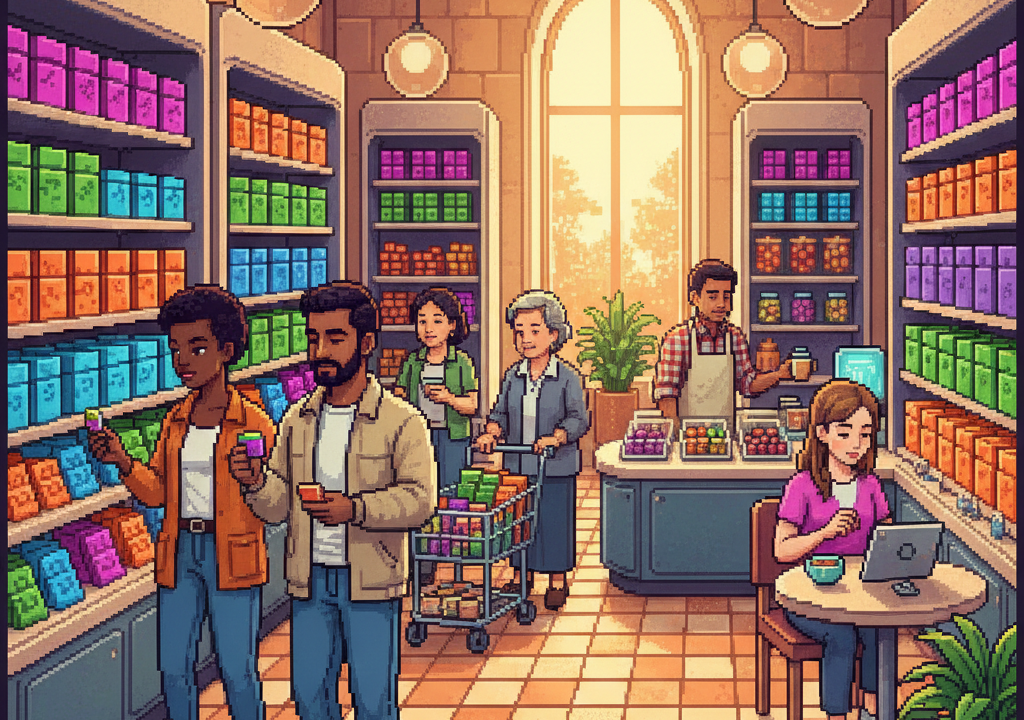
CPG giants are pivoting to 'nutrient-dense micro-portions' as GLP-1 drug adoption reshapes metabolic health, prioritizing high protein and fiber density for users with significantly reduced appetites.
What happened

In June 2026, the retail landscape is being transformed by 'GLP-1 Companion' aisles. Nestle has expanded its 'Vital Pursuit' line to include vacuum-sealed 'Protein Pucks,' 150-calorie discs containing 20g of whey-isolate and 10g of prebiotic fiber. Simultaneously, Mondelez has debuted 'Right-Size Rounds,' a reformulated version of snack staples engineered with lower glycemic indices and added electrolytes to combat common medication side effects. Most notably, Kroger and Target have introduced dedicated 'Metabolic Support' endcaps, moving away from legacy 'diet' sections to focus on nutrient-dense, small-format meals for the estimated 12% of the US population now on semi-glutide or tirzepatide regimens.
Why it matters

The food industry is facing a volume crisis as GLP-1 medications reduce caloric intake by up to 30% per user. To maintain margins, CPG manufacturers are shifting from 'quantity' to 'utility.' These companion snacks represent a strategic move to capture 'wallet share per calorie.' Because users find it difficult to hit protein and fiber targets due to suppressed appetite, products that solve this nutritional gap at a premium price point are becoming the primary growth engine for the mid-2020s snack market.
Market impact

The 'GLP-1 Companion Food' category is projected to reach $12.4 billion by 2029, with a current YoY growth rate of 28% in the 'compact-nutrition' sub-sector. Nestle’s Vital Pursuit line reported a 14% Q1 beat in 2026, while Conagra’s 'Small Plates' range is currently capturing 9% of the premium frozen snack market. Venture capital is flowing into startups like MicroByte and AminoSnack, which raised a combined $85 million in Series B rounds this spring to scale GLP-1-specific retail footprints.
Consumer insight

A profound psychological shift is occurring among GLP-1 users, who view traditional 'diet' foods as relics of a failed restrictive era. Instead, these 'Generation GLP' consumers are seeking 'nutrient density per bite' rather than low-calorie volume. There is an emerging 'snack-as-meal' behavior where traditional lunch and dinner are replaced by intermittent, high-utility mini-meals. Consumers are vocal about avoiding 'diet face' and muscle wasting, leading to a fetishization of collagen, leucine, and fiber-dense textures that provide satiety without the physical discomfort of overfullness.
Strategic takeaway

CPG brands must move beyond 'reduced calorie' branding and embrace 'nutrient fortification' in smaller formats. Retailers should consider dedicated 'Metabolic Health' endcaps that consolidate fiber-rich, high-protein small-format snacks to capture the high-LTV GLP-1 consumer who is spending less on volume but more on premium quality.
Get the next signal in your inbox.
Daily food industry intelligence — free.
You've reached the end.