Wellness
Graham Crackers: A Taste of Radical Temperance
The surprising 19th-century origins of a snack aisle staple reveal enduring lessons in food innovation.
By FTF Editorial Team·July 17, 2026·4 min read
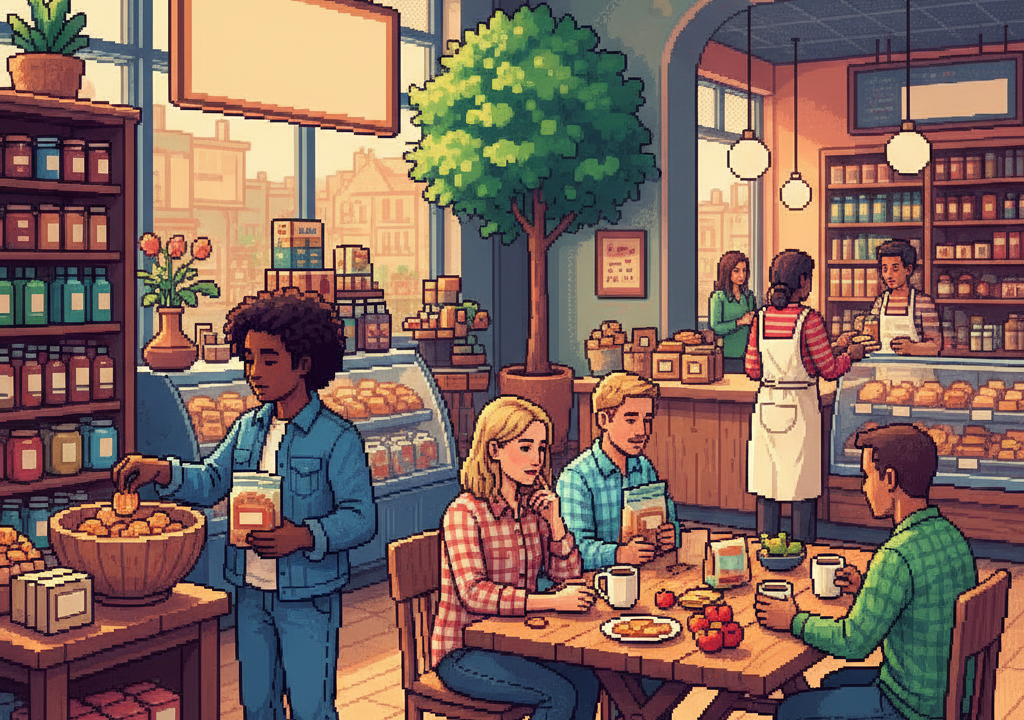
Before it became a s'mores essential, the graham cracker was a pillar of a strict, moralistic diet. Its journey from health reform to mainstream treat offers valuable insights for today's food and beverage innovators.
What happened

The graham cracker is named after Sylvester Graham, a Presbyterian minister and prominent dietary reformer during the 1820s and 1830s. Graham advocated for a rigorous vegetarian and temperance diet, believing it promoted both physical health and moral rectitude. Central to his recommendations was "graham flour," a coarsely ground whole wheat flour that retained the bran and germ. The initial graham cracker was a very plain, minimally sweetened product made with this specific flour. It was conceived as a wholesome, unadorned component of his prescribed regimen.
Why it matters

This historical context is crucial for understanding how product positioning can evolve dramatically. The original graham cracker was not about indulgence but about ascetic health and moral improvement. This stark contrast to its modern, honey-sweetened iteration highlights that consumer perception and product use can be entirely reshaped over time, often moving far from initial intentions. For today's innovation managers, it underscores the potential to redefine categories and adapt products over generations.
Market impact

In the 19th century, Graham's dietary principles, though controversial, carved out a niche for "health foods" appealing to reformers and those seeking moral and physical purity. Today, the market for products positioned on health and wellness remains robust, but the specific attributes and consumer motivations have shifted from moral restraint to functional benefits and clean labels. This demonstrates the enduring appeal of health-centric messaging, even as its definition changes.
Consumer insight

The initial adoption of graham crackers tapped into a consumer desire for control, purity, and self-improvement through diet. While the modern consumer uses the cracker for enjoyment, the underlying psychological need for choices that align with personal values, whether health, indulgence, or ethical considerations, persists. This illustrates how core consumer drivers can remain constant while their manifestations in product choices transform.
Strategic takeaway

Food and beverage innovators should recognize that product narratives can be powerfully reimagined. Analyzing the core consumer needs a product originally met, and how those needs have evolved, can unlock new positioning strategies or reformulation opportunities, even for established brands. Consider how current trends might allow for a "back to roots" or entirely new functional spin on an existing item.
Get the next signal in your inbox.
Daily food industry intelligence — free.
You've reached the end.