
Wellness
Hyperspectral AI Sorting Eliminates Produce Waste at the Packhouse
New internal-scanning technology is allowing packhouses to detect rot before it starts, reclaiming millions in lost revenue while ensuring peak ripeness.
By FTF Editorial Team·June 22, 2026·5 min read
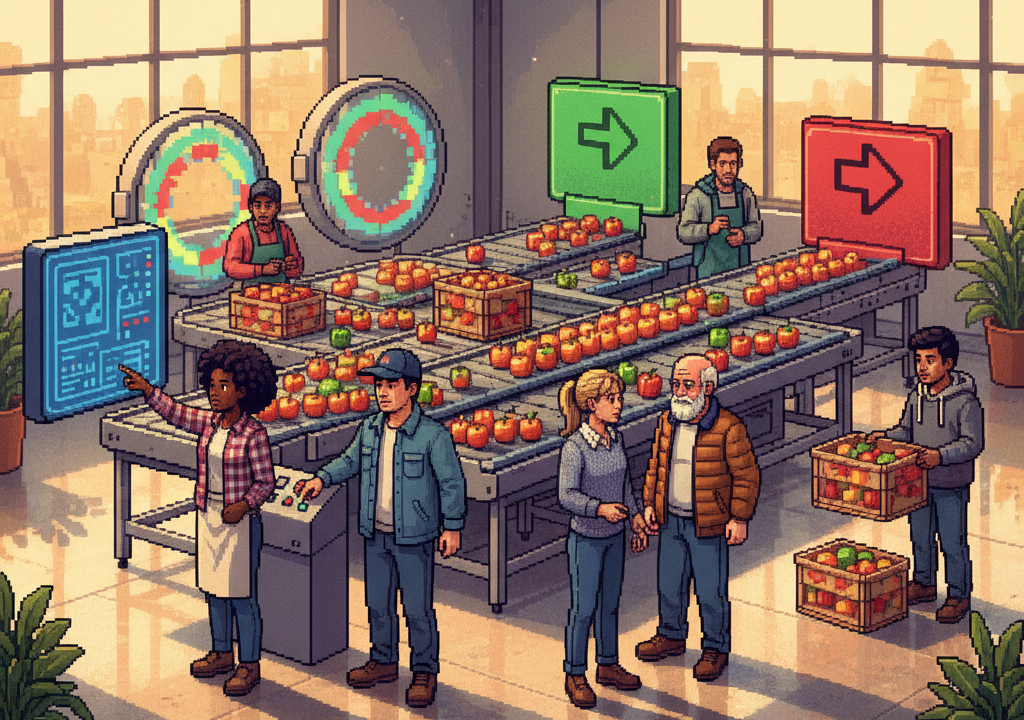
The packhouse of 2026 has been revolutionized by Hyperspectral AI sorting, a technology that looks beyond the peel to detect internal bruising and sugar levels. Led by pioneers like SpectraGrain and OptiRoot, this shift is slashing spoilage rates by 40% and redefining the economics of produce logistics.
What happened

In the first half of 2026, the global produce industry reached a tipping point. SpectraGrain Inc. and OptiRoot Systems deployed over 1,200 hyperspectral AI sorting units across North America and Europe. Unlike traditional optical sorters that rely on high-definition cameras to identify external blemishes, these new systems use hyperspectral imaging to capture data across hundreds of bands of light, spanning the visible and near-infrared spectrums. This allows the AI to “see” water density, sugar content (Brix), and early-stage fungal infections that are invisible to the human eye.
The results from a May 2026 case study at the MidValley Berry Hub in California showed a staggering 42% reduction in fruit loss during the initial packing phase. By identifying berries with internal bruising (often caused by mechanical picking but not visible on the skin), the system diverted at-risk fruit to immediate pureeing lines rather than shipping them to retailers, where they would have decayed in transit. Furthermore, GlobalVeg Co. announced a successful Q1 trial where hyperspectral data coupled with predictive AI allowed them to extend the shelf life of avocados by an average of 4.3 days by grouping fruit by precise metabolic age.
This technological leap is being supported by the 2026 Agricultural Efficiency Act, which provides tax credits for packhouses that achieve a 30% reduction in gate-to-shelf spoilage. As of June, major retailers like Oasis Markets have begun mandating “Spectral Verification” certificates for all stone fruit and citrus imports, signaling a new industry standard that prioritizes internal chemistry over external aesthetics.
Why it matters

This shift represents a fundamental move from "reactive" to "predictive" waste management. Historically, food waste at the packhouse was the cost of doing business; an inevitable byproduct of imperfect human or optical sorting. By the time a spot appeared on a peach, the entire batch was often at risk. Hyperspectral AI changes the math by identifying “Patient Zero” in a crate of produce days before the first visible sign of mold appears. This precision allows for a tiered supply chain: premium fruit goes to long-distance export, while “riper” but healthy fruit is diverted to local markets or food service, and slightly damaged fruit is sent for processing.
Furthermore, this technology is the final piece of the "Fully Automated Packhouse" puzzle. When combined with robotic arms and autonomous pallets, the AI provides the "brain" necessary to handle delicate, organic products with the same speed and accuracy as manufactured goods. This is crucial as labor shortages in agricultural hubs continue to drive up costs. By 2026, the ability to sort by internal quality is no longer just about saving the planet, it’s about surviving in a high-cost, low-margin environment where every discarded apple represents a direct hit to the bottom line.
Market impact

The market for AI-driven agricultural inspection is projected to hit $4.2 billion by the end of 2026, driven largely by the massive ROI seen at the packhouse level. Early adopters like VeriHarvest have reported that the technology pays for itself within 14 months by reclaiming “Class B” produce that was previously discarded due to surface-level imperfections that masked perfect internal health.
Financially, the impact is most visible in insurance and freight. By removing “vampire fruit,” a single rotting item that can spoil an entire shipping container via ethylene gas, logistics providers have been able to reduce spoilage-related insurance premiums by 18% since January 2026. This has injected an estimated $650 million back into the global cold chain margins this year alone.
Consumer insight

Today’s consumer is increasingly "waste-conscious," with 64% of Gen Z shoppers stating they would switch grocery banners if a retailer could prove a 20% reduction in food waste across their supply chain. However, this same demographic remains uncompromising on visual quality; they want the "ugly" fruit saved, but they don't want to inadvertently buy a piece of produce that will rot in 24 hours.
Hyperspectral sorting bridges this gap by creating a more transparent quality tier. Shoppers are beginning to see "Precision Picked" labeling in the produce aisle, indicating the fruit has been scanned for peak internal ripeness. This is leading to a shift in behavior where consumers buy smaller quantities more frequently, trusting that every item in the punnet is at the exact same stage of maturity.
Strategic takeaway

For operators and retailers, the move toward hyperspectral sorting is no longer an optional sustainability "perk" but a core margin-protection strategy. Brands should prioritize partnerships with packhouses that utilize internal scanning to ensure consistent shelf-life, while marketing departments should leverage the "Precision Ripeness" data to command premium pricing for guaranteed quality, effectively turning waste-reduction tech into a brand-building asset.
Get the next signal in your inbox.
Daily food industry intelligence — free.
You've reached the end.