Beverage Trends
Pickle Flavor Moves Beyond Snacks Into Sauces, Beer and Soda
For 2026 innovation planning, dill pickle offers a route into familiar formats, provided brands balance novelty with a credible eating or drinking occasion.
By FTF Editorial Team·August 7, 2026·4 min read
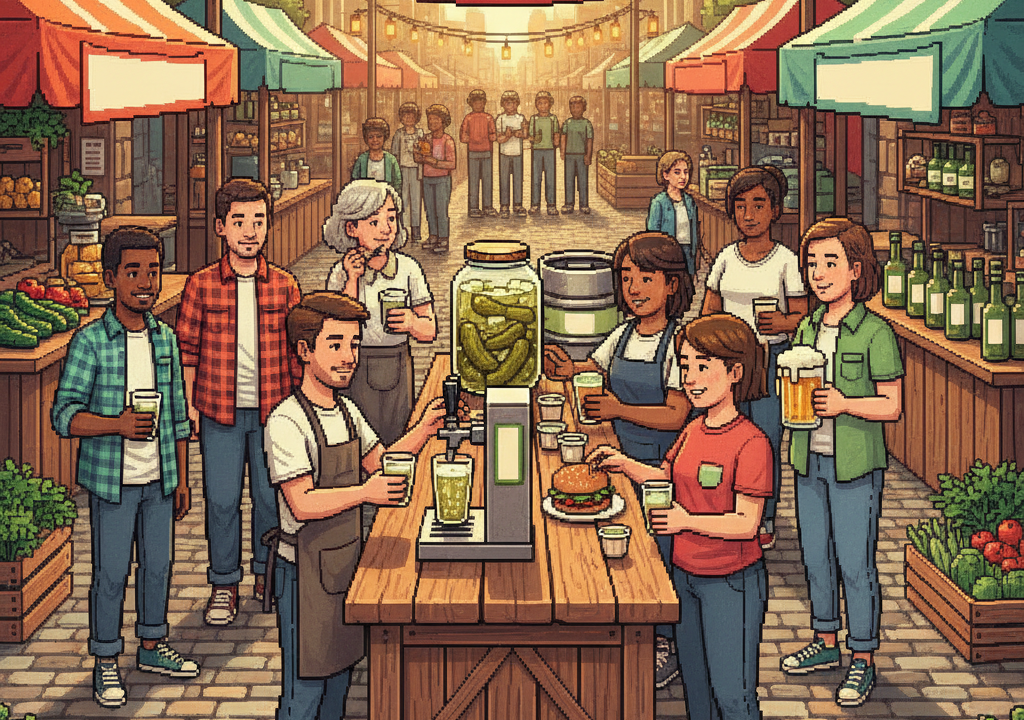
Dill pickle is becoming more than a seasoning for chips and popcorn. Its expansion into ranch, ketchup, beer and customized soda gives food and beverage developers a flavor platform with distinct formulation demands.
What happened

Pickle flavor's move beyond the snack aisle is already visible in products that predate 2026. Hidden Valley has brought dill pickle into ranch, while Heinz has introduced pickle-flavored ketchup. These extensions translate a familiar sandwich accompaniment into sauces consumers can spread, dip or drizzle, without adding a separate pickle to the meal.
Beverages stretch the idea further. Texas brewer Martin House's collaboration with Best Maid demonstrates an established application in pickle beer. Sonic has also sold a pickle juice slush for limited periods, putting the flavor into a quick-service beverage format. Social-media attention around pickle additions to Dr Pepper has added another reference point, although customized orders should not be confused with a standardized national menu item.
The 2026 opportunity is therefore not the invention of pickle flavor, but its migration between categories. Chips and popcorn establish an accessible seasoning profile. Ranch-style sauces and QSR condiments connect that profile to meals. Beer, slushes and dirty soda-style customization test how far consumers will follow the combination of acidity, salt, dill and, in some applications, sweetness.
Why it matters

Pickle gives developers more than a recognizable flavor name. In rich foods, acidity can provide contrast, while dill and garlic contribute savory character. That makes the profile a plausible fit for creamy dressings, burger sauces and dips. Unlike a standalone snack seasoning, a condiment can participate in several occasions, from sandwiches and fries to wraps and home-prepared meals.
The beverage proposition is different. Here, pickle can serve as a curiosity hook as much as a flavor benefit. A sour beer has an existing sensory framework for acidity, whereas a sweet soda requires consumers to accept a less familiar combination. Brands should treat these as separate opportunities rather than assume that success in a dip predicts acceptance in a drink.
Market impact

For packaged-food manufacturers, sauces offer a relatively understandable extension route. An established ranch or ketchup brand can retain its core use while adding a pickle variation. The commercial question is whether that variation earns repeat purchases and additional occasions, or merely shifts existing buyers between flavors. Shelf placement and clear serving suggestions can help explain the product faster than novelty-led packaging alone.
Foodservice offers a different testing environment. A pickle-forward condiment can be paired with an existing sandwich or sold as an optional dip, allowing operators to evaluate demand within a defined meal. Beverage customization can also support small-scale experimentation, but operational fit matters: ingredient storage, dosing, staff instructions and service speed all influence whether an attention-getting combination is practical.
Consumer insight

The same pickle cue can meet different consumer motivations. In a sauce, it may promise the familiar flavor of a deli sandwich or burger topping in a convenient form. In beer or soda, it may invite experimentation and social sharing. These are useful development hypotheses, not proof that every pickle enthusiast wants the flavor across every category.
Intensity is another important dividing line. A creamy sauce with a restrained dill finish is a different experience from a strongly briny drink. Research should distinguish enthusiasm for pickles themselves from preference for vinegar, salt, garlic and dill. Trial interest is only the first signal. Willingness to finish a serving, pair it with food and purchase it again provides a more useful basis for development decisions.
Strategic takeaway

Build around the format's existing job. For ranch-style sauces and QSR condiments, start with the food pairing and tune acidity, texture and seasoning together. For beer and soda applications, test sweetness, sourness, salt and aroma independently before choosing a final profile. Actual brine and pickle-inspired flavor systems bring different formulation considerations, so neither should be treated as a simple drop-in ingredient.
The strongest 2026 concepts will make pickle feel purposeful rather than merely surprising. Use limited releases to test demand, but define repeat-purchase criteria before launch. A clear occasion, an appropriate flavor intensity and consistent execution offer a stronger foundation than online attention alone.
Get the next signal in your inbox.
Daily food industry intelligence — free.
You've reached the end.