
Ingredients
Resistant-Starch Flours Quietly Rewrite the Better-For-You Bakery
High-amylose wheat and green-banana flours are letting bakers add gut-friendly fiber and blunt glucose spikes without changing taste.
By FTF Editorial Team·June 27, 2026·5 min read
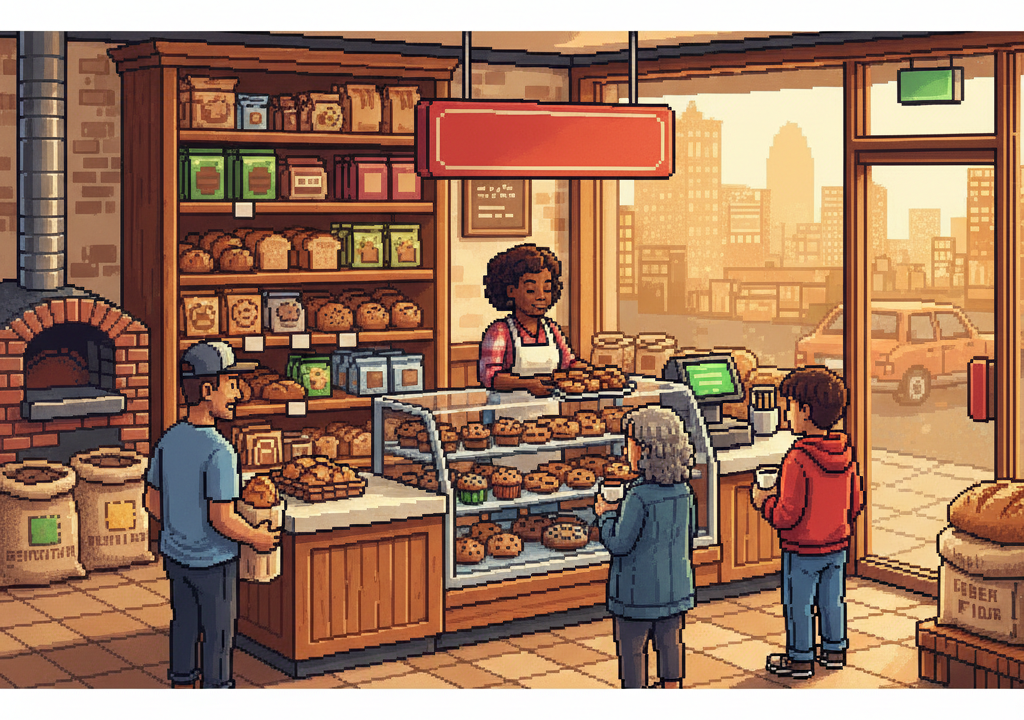
Resistant-starch ingredients, including high-amylose wheat, green banana, and retrograded starches, surged in 2026 as a near-invisible way to add fiber and lower the glycemic impact of breads, pastas, and snacks.
What happened

Resistant starch became the bakery industry's quiet 2026 reformulation lever. GrainShift Mills scaled a high-amylose wheat flour that adds resistant starch with minimal change to taste or texture, and green-banana flour suppliers expanded capacity as snack and pasta brands adopted it. Several national bread and pasta lines reformulated to carry 'good source of fiber' and 'supports healthy blood sugar' messaging without tasting like diet products.
The science driving adoption is robust: resistant starch resists digestion in the small intestine, feeding gut bacteria like soluble fiber and blunting post-meal glucose spikes. In the GLP-1 and metabolic-health era, that dual gut-and-glucose benefit is highly marketable. Crucially, resistant-starch ingredients function close to conventional starch, so reformulation rarely compromises eating quality, the historical Achilles' heel of fiber fortification.
The main challenge is consumer education, since 'resistant starch' lacks the instant recognition of 'protein' or 'probiotic.'
Why it matters

Resistant starch addresses the core failure of past high-fiber products: they tasted worse. By adding gut-and-glucose benefits invisibly, it lets mainstream bakery and pasta brands upgrade their nutritional profile without alienating taste-driven shoppers.
Its alignment with the metabolic-health and GLP-1 conversations gives it strong, science-backed marketing potential, provided brands can teach consumers what resistant starch is and why it matters.
Market impact

Resistant-starch ingredient adoption rose sharply across bakery, pasta, and snacks in 2026. The metabolic-health and gut-health megatrends, plus near-invisible reformulation, position it for continued growth, gated mainly by consumer awareness.
Consumer insight

Consumers want better-for-you staples that don't sacrifice taste, and resistant starch delivers exactly that. However, the term needs education; benefit-led messaging ('supports healthy blood sugar') outperforms ingredient names.
Strategic takeaway

Use resistant-starch flours to upgrade everyday staples invisibly, and invest in benefit-led education to build recognition for an ingredient most shoppers don't yet know.
Get the next signal in your inbox.
Daily food industry intelligence — free.
You've reached the end.