
Grocery
Restaurant-Brand Premium Frozen Meals Reshape the Freezer Aisle
Beloved restaurant chains and chef brands leverage licensing deals to elevate frozen entrees, blurring dining out with at-home convenience.
By FTF Editorial Team·July 8, 2026·5 min read
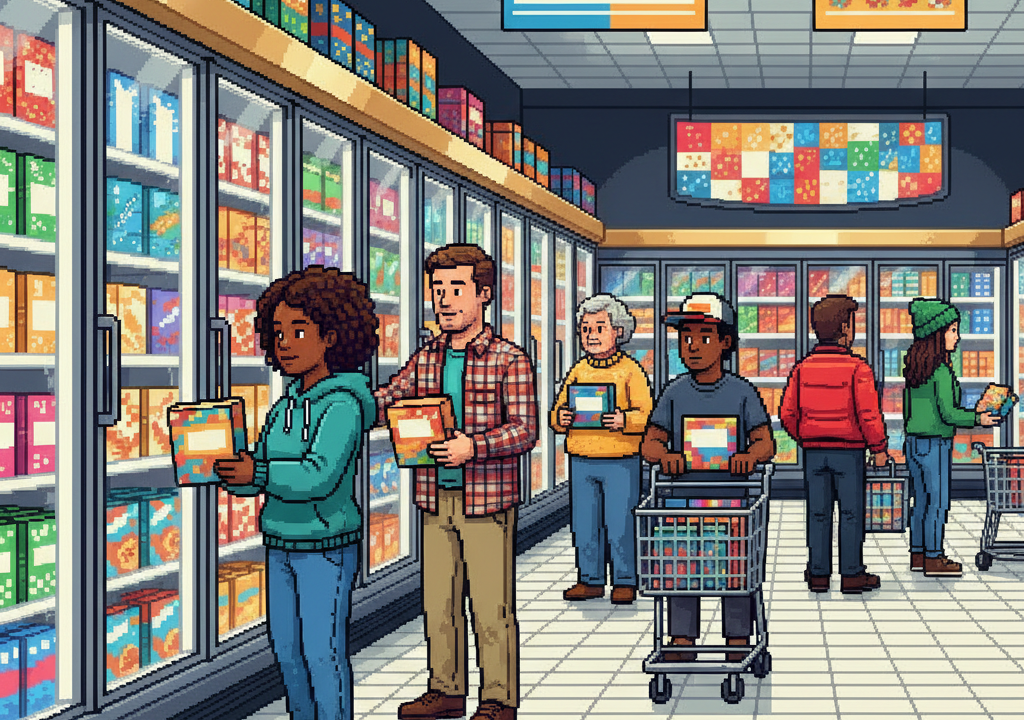
Premium frozen meals from established restaurant and chef brands are set to redefine the freezer aisle in 2026. This trend merges consumer demand for convenience with a desire for high-quality, trusted food experiences at home.
What happened

The frozen meal sector is undergoing a significant transformation, driven by an influx of licensed products from well-known restaurant chains and celebrity chefs. Historically dominated by budget-oriented or generic offerings, the category is now witnessing a premiumization push. Companies like Restaurant Brand Ventures (RBV), a new entity specializing in culinary licensing, have inked deals with regional favorites such as "The Great Grub Bistro", known for its artisanal pasta dishes, and "Chef Antoine's Table", a national brand recognized for its gourmet prepared foods.
These partnerships are focused on translating signature menu items into high-quality, freezer-stable formats. The emphasis is on ingredient integrity, advanced flash-freezing techniques, and improved packaging that communicates premium value and ease of preparation. For instance, RBV's "Great Grub Bistro" line features vacuum-sealed, oven-ready trays that maintain texture and flavor profiles previously unattainable in frozen pasta. Similarly, "Chef Antoine's Table" is launching a range of sous-vide prepared proteins with accompanying sauces, designed for minimal home assembly. This strategic move aims to capture consumers seeking restaurant-quality experiences without the associated cost or time commitment of dining out.
The initiative is not limited to independent licensing firms. Major food manufacturers are also actively pursuing co-branding opportunities. Global Foods Co. recently announced a collaboration with the popular fast-casual chain "Fresh & Fast Bowls" to introduce a line of frozen grain bowls. These products are developed with a focus on replicating the fresh, customizable elements that define the restaurant's appeal, including separate sauce packets and carefully selected ingredients to withstand freezing and reheating cycles. This signals a broader industry recognition of the consumer desire for trusted, branded food solutions in the home.
Why it matters

This trend is significant because it fundamentally shifts the perception and competitive landscape of the frozen meal category. For restaurant brands, it represents a new revenue stream and an opportunity to extend brand reach beyond physical locations without substantial capital investment in new restaurant build-outs. It also allows them to maintain brand relevance in a dynamic food market increasingly favoring convenience.
For food manufacturers, partnering with established restaurant names provides instant brand recognition and a perceived quality halo, differentiating their products in a crowded market. This strategy addresses consumer skepticism often associated with generic frozen meals by offering a trusted culinary experience. The improved quality, driven by better ingredients and freezing technologies, also elevates the entire category, potentially attracting a new demographic of consumers who previously avoided frozen foods due to quality concerns.
Market impact

The influx of premium restaurant-branded frozen meals will intensify competition in the freezer aisle, pressuring generic and private-label brands to innovate or risk losing market share. Retailers will need to reassess shelf allocation, potentially creating dedicated 'restaurant-quality' or 'chef-inspired' sections. This segment is projected to drive overall category growth, particularly in the premium and convenience-focused sub-segments, expanding the total addressable market.
Consumer insight

Consumers are increasingly seeking convenience without compromising on quality or flavor. They trust established restaurant brands to deliver on taste and ingredient standards. The ability to recreate a favorite dining experience at home, often at a lower price point and with less effort, directly addresses this core consumer need, bridging the gap between indulgence and practicality.
Strategic takeaway

Food manufacturers and retailers should actively identify and pursue licensing or co-branding opportunities with popular restaurant and chef brands. Focus on authentic replication of signature dishes, superior ingredients, and innovative packaging. Retailers should consider strategic merchandising to highlight these premium offerings and educate consumers on their elevated quality.
Get the next signal in your inbox.
Daily food industry intelligence — free.
You've reached the end.