
Wellness
Sweet Proteins: Brazzein and Oubli Fruit Disrupt the Sweetener Shelf
As precision fermentation scales, protein-based sweeteners from West African flora are rendering erythritol and aspartame obsolete in the premium beverage sector.
By FTF Editorial Team·June 19, 2026·6 min read
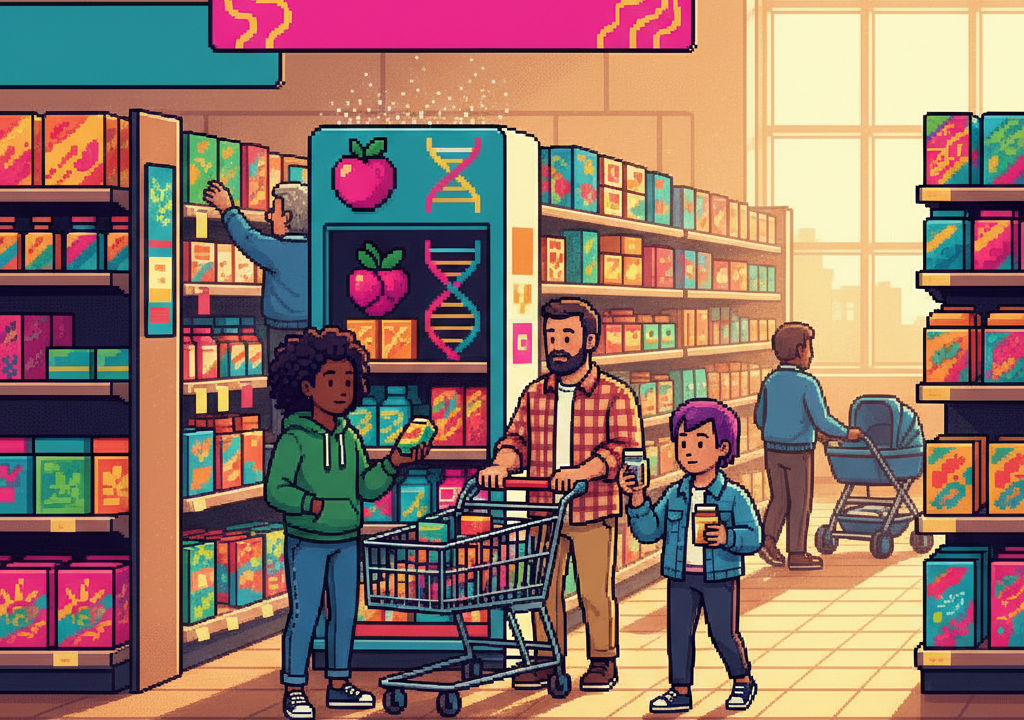
Sweet proteins like brazzein and oubli fruit are revolutionizing the 2026 sweetener market, offering a zero-glycemic alternative that mimics the taste profile of sugar without the digestive issues of sugar alcohols. Major players are already pivoting to protein-based formulations to capture the health-conscious consumer.
What happened

In June 2026, the sweetener market reached a definitive tipping point as OubliTech Global and Proteus BioScience announced the first large-scale commercial availability of Brazzein, a high-intensity sweet protein originally found in the West African Oubli fruit. Unlike the stevia and monk fruit spikes of 2024, these proteins are being produced via precision fermentation, allowing for a 95% reduction in production costs compared to traditional harvesting. The most significant movement came from AuraWaters, the global sparkling water giant, which officially retired its 'Zero-Sugar' line in favor of 'Protein-Sweetened' labels across its core portfolio. Concurrently, the FDA's new 'Bio-Sweetener' designation, finalized in April 2026, has cleared the path for these molecules to be listed as 'Naturally Occurring Protein' rather than added sugar or artificial sweetener. This regulatory win has triggered a 220% increase in SKU development for protein-sweetened confections and ready-to-drink (RTD) teas. Furthermore, NexaFoods has debuted Brazzein-S, a heat-stable variant specifically designed for the baking industry. Early reports show that this protein maintains its structural sweetness at temperatures up to 400°F, a feat previously impossible for most protein-based sweeteners. This breakthrough effectively removes the final barrier for sweet proteins to enter the multibillion-dollar industrial bakery segment.
Why it matters

The rise of sweet proteins represents a fundamental shift in how the food industry solves the 'sugar problem.' For decades, the trade-off was between taste and health; sugar alcohols provided the sweetness but caused gastrointestinal distress, while stevia provided the health but left a bitter, metallic aftertaste. Brazzein and other sweet proteins like Thaumatin II bind to the tongue's sweetness receptors differently, providing a temporal profile that is nearly identical to sucrose, with none of the metabolic baggage.
From a supply chain perspective, the move to fermentation-derived proteins insulates brands from the volatility of agricultural commodities. In an era where climate change threatens traditional sugar cane and beet harvests, a lab-grown, bio-identical protein offers a stable, scalable, and sustainable alternative. This is not just a trend for the "health-nut" niche; it is the infrastructure for the next generation of global sweetness.
Market impact

The sweet protein segment is projected to reach $1.4 billion by the end of 2027, maintaining a blistering CAGR of 38.4%. In the last quarter alone, venture capital inflow into protein-fermentation startups reached $410 million, led by firms looking to diversify away from traditional stevia investments. Major CPG players are already seeing the financial shift. VitalVibe Beverages reported a 12% increase in stock price after announcing they would replace 40% of their monk fruit supply chain with brazzein variants. This pivot is expected to reduce logistics costs by 9% due to the extreme potency of the protein, where 1 gram of brazzein replaces 2,000 grams of sugar, significantly slimming down the physical footprint of raw material storage.
Consumer insight

The modern consumer has evolved from 'anti-sugar' to 'pro-biology.' In 2026, Gen Z and Millennial cohorts are moving away from both high-fructose corn syrup and the chemical aftertaste of first-generation high-intensity sweeteners like erythritol. They are increasingly seeking out "bio-identical" and protein-based solutions that the body processes as protein rather than carbohydrates, avoiding the insulin spikes associated with traditional sweeteners.
Recent survey data from PulsePalette indicates that 62% of consumers are willing to pay a 15-20% premium for beverages containing "naturally occurring fruit proteins." There is a high level of trust associated with West African botanical sources, which consumers perceive as more "authentic" and "functional" than laboratory-synthesized sugar alcohols.
Strategic takeaway

Food and beverage operators must immediately audit their sugar-reduction roadmaps to include sweet proteins. As supply chains for brazzein stabilize through precision fermentation, the 'clean label' advantage of protein-based sweeteners will become the industry standard. Brands that successfully transition from sugar alcohols to sweet proteins in the next 18 months will capture the high-margin 'functional wellness' market and avoid the looming regulatory scrutiny facing synthetic sugar substitutes.
Get the next signal in your inbox.
Daily food industry intelligence — free.
You've reached the end.