Beverage Trends
Dirty Soda Goes CPG: The Chain-to-Shelf Customization Play
Creamy sodas, purpose-built creamers and retail flavor add-ins are turning a soda-shop ritual into a packaged-product innovation platform.
By FTF Editorial Team·August 24, 2026·4 min read
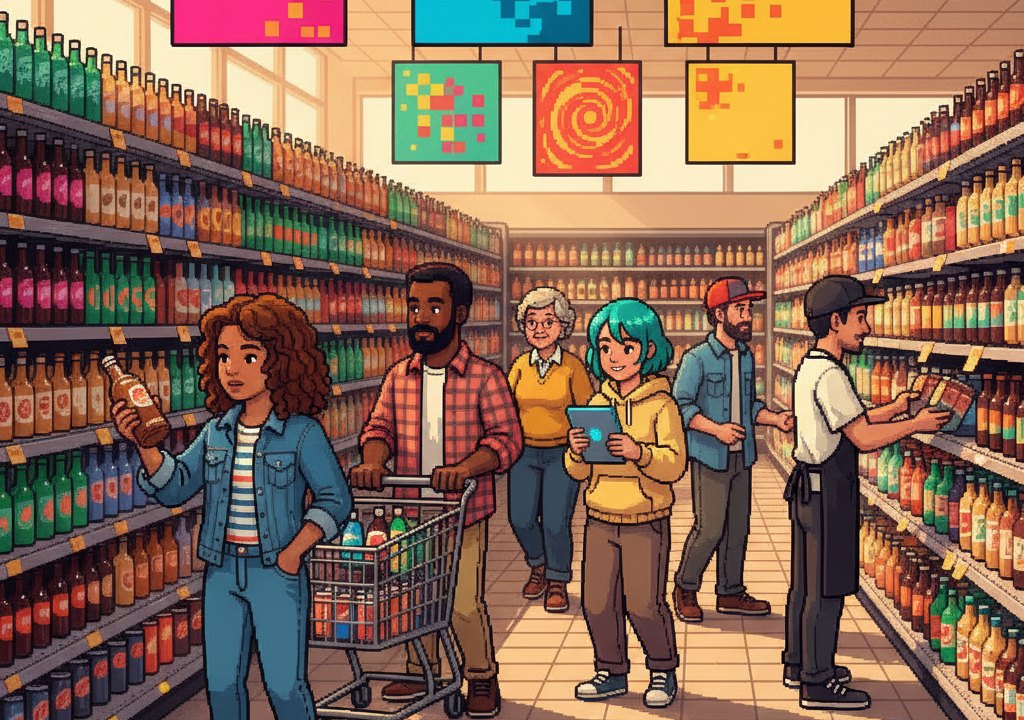
Dirty soda is giving beverage brands a new way to compete: sell a finished flavor, or sell the ingredients that make an everyday soda feel personal. The 2026 opportunity is translating the appeal of shop-made customization into products that work on a retail shelf.
What happened

Dirty soda, broadly understood as soda customized with ingredients such as flavored syrup, cream, creamer or citrus, has moved beyond a regional soda-shop specialty. Chains including Swig helped establish the made-to-order model, while social media spread recipes and encouraged at-home experimentation. For packaged-food and beverage companies, that creates two routes into the occasion: ready-to-drink interpretations and products consumers add themselves.
PepsiCo's Pepsi Wild Cherry & Cream, introduced in 2025 in regular and zero-sugar versions, illustrates the ready-to-drink route. It combines cherry and creamy flavor cues in a packaged cola, including canned formats. It is not equivalent to a shop soda mixed with fresh cream, but it brings a similar flavor proposition into mainstream retail. Dr Pepper's limited-edition Creamy Coconut release in 2024 offered another example of a major soda brand exploring coconut and creamy flavor territory.
The ingredient route is more explicitly participatory. In 2024, Nestle's Coffee mate introduced a Dirty Soda Coconut Lime creamer through a collaboration with Dr Pepper, positioning the product for mixing into soda. Alongside the flavored syrups already available at retail, that launch demonstrated how an established adjacent category could develop a soda-specific use occasion. These earlier moves underpin the 2026 trend: the shop experience is becoming a product-development brief for both beverage makers and add-in suppliers.
Why it matters

Dirty soda offers a different innovation lever from introducing another standalone fruit flavor. Its appeal combines a familiar base with an individualized finish. A canned product captures convenience and consistency, while a creamer or syrup preserves the consumer's role in making the drink. Those are related propositions, but they answer different needs and should not be treated as interchangeable.
For innovation teams, the larger opportunity is occasion expansion. A soda can become an afternoon treat, a customizable alcohol-free drink or an easy hosting activity. These are potential positioning territories, not proof of incremental demand. Brands still need to establish whether a launch creates an additional purchase or simply moves spending from an existing soda, coffee or dessert occasion.
Market impact

The competitive set now extends beyond the carbonated-soft-drink aisle. Creamer brands, syrup suppliers and retailers can participate without developing a carbonated beverage. Soda companies can respond with finished flavor combinations, partnerships or recipes that make their existing products the preferred base. This creates opportunities for cross-merchandising, although refrigerated creamers and ambient sodas introduce practical placement challenges.
The two formats also carry different operational demands. A ready-to-drink soda needs a flavor system that remains appealing throughout its intended shelf life. An add-in needs to perform predictably across recommended bases and serving conditions. Products containing dairy or plant-based emulsions require particular attention to compatibility with acidic drinks. Creamy flavor alone does not establish that a beverage contains cream, so product names and packaging should clearly communicate what shoppers are buying.
Consumer insight

The central consumer hypothesis is that customization contributes value beyond taste. Choosing a base, adjusting sweetness and adding a creamy or citrus finish can make an inexpensive drink feel like a personal creation. Recipes provide a starting point, while small adjustments keep the experience participatory. That helps explain why a bottle of add-in and a finished can may appeal to the same shopper on different occasions.
Convenience, however, places limits on how much work consumers will accept. A compelling recipe can lose appeal if it requires several bottles, unfamiliar measurements or ingredients with limited uses. Zero-sugar soda options may broaden the choice of bases, but adding a sweetened syrup or creamer changes the finished drink's nutritional profile. Brands should distinguish between claims about an individual component and claims about the prepared beverage.
Strategic takeaway

Start by choosing which part of the soda-shop experience the product should own. For ready-to-drink launches, prioritize a recognizable flavor combination and a clear treat occasion. For add-ins, prioritize easy dosing, reliable mixing and a short list of accessible soda bases. In both cases, test the product against the consumer's actual alternative: a shop-made drink, an existing flavored soda or a homemade recipe.
The strongest chain-to-shelf strategy is not necessarily the one with the most combinations. It is the one that removes friction without removing the reason to participate. Use focused recipes, clear ingredient communication and repeat-purchase testing to determine whether the product delivers lasting value after its first social-media-inspired trial.
Get the next signal in your inbox.
Daily food industry intelligence — free.
You've reached the end.