
Regulation & Recalls
QR-Code Digital Nutrition Labels Go Mainstream on US Packaging
Brands and regulators accelerate adoption of scannable codes for enhanced transparency and compliance, redefining point-of-sale information access.
By FTF Editorial Team·July 10, 2026·5 min read
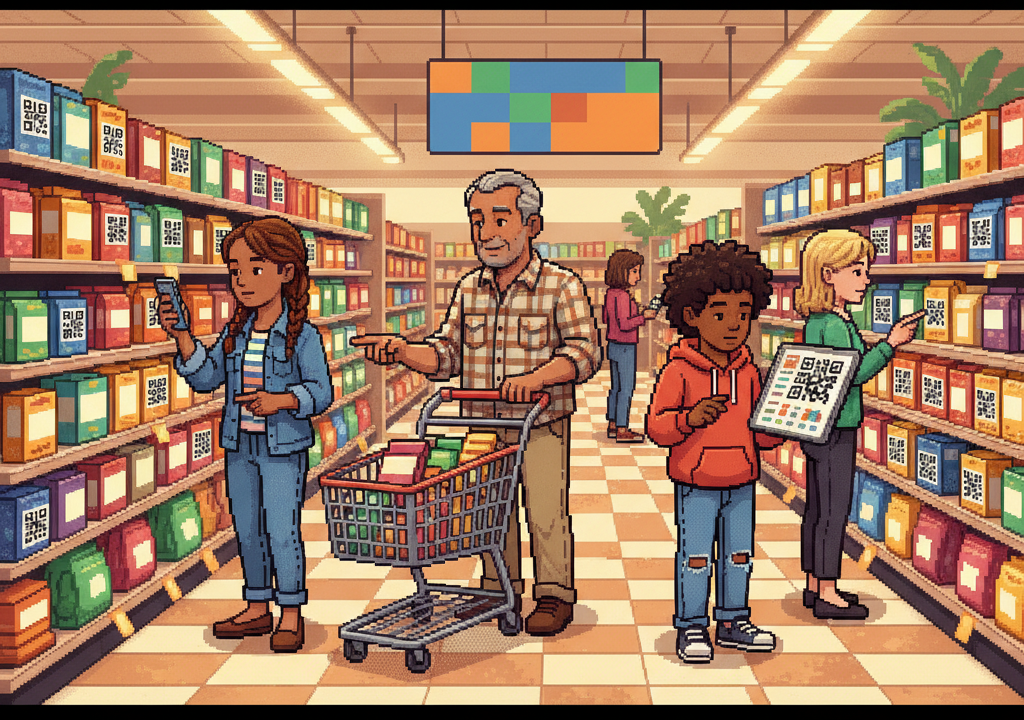
QR codes are poised to become a ubiquitous feature on US food packaging by 2026, offering consumers unprecedented access to detailed nutrition, allergen, and sourcing information. This shift is driven by a confluence of evolving regulatory pressures and brands' strategic initiatives to bolster transparency and consumer trust.
What happened

Beginning in early 2026, a significant number of major food manufacturers in the US are expected to integrate scannable QR codes onto their product packaging, effectively launching 'digital nutrition labels' into the mainstream. This expansion follows several pilot programs and a growing industry consensus that traditional on-pack labeling, while legally mandated, often lacks the space and granularity consumers increasingly demand.
Key players like AgriFood Corp. and NutriGen Brands have publicly committed to phasing in QR-code-enabled labels across their portfolios, citing consumer demand for deeper data on ingredients, certifications (e.g., organic, non-GMO, fair trade), and allergen cross-contamination risks. The FDA has also signaled increasing support for digital labeling solutions as a supplementary information channel, particularly as it evaluates modernizing food labeling regulations to address complex dietary needs and sustainability claims.
The technological infrastructure for this rollout is largely mature. Platforms from companies such as LabelLink Solutions and DataPack Innovations provide scalable, dynamic content management systems that link unique QR codes to individualized product data pages, allowing for real-time updates and localized information delivery without requiring packaging redesigns.
Why it matters

This transition represents a fundamental shift in how consumers interact with product information at the point of sale. It moves beyond static print to dynamic, on-demand data access, addressing limitations of physical label space. For brands, it offers an opportunity to build trust through radical transparency, providing detailed narratives about ingredient origins, processing methods, and sustainability efforts that would be impossible on conventional packaging. This also positions brands to adapt more rapidly to future regulatory changes or evolving consumer information demands without costly packaging overhauls.
Furthermore, digital labels can be tailored to individual consumer needs or preferences, such as displaying information in multiple languages, highlighting specific allergens, or detailing suitability for various diets (e.g., vegan, gluten-free) with greater clarity and depth than current packaging allows. This enhanced data accessibility is expected to empower consumers to make more informed purchasing decisions.
Market impact

The widespread adoption of digital labels will create new competitive dynamics. Brands that invest early and effectively in robust, user-friendly digital platforms will likely gain a competitive edge in transparency and consumer engagement. It also opens new avenues for data analytics, as brands can track scanning behaviors and content engagement, providing valuable insights into consumer information priorities. Retailers will need to ensure store Wi-Fi and cellular access support seamless scanning.
Consumer insight

Consumers, particularly younger demographics, increasingly expect on-demand digital access to product information. They seek not just basic nutrition facts but also detailed sourcing, ethical practices, and allergen management data. QR codes fulfill this expectation by providing a direct portal to comprehensive and regularly updated product narratives, fostering greater confidence and personalized relevance.
Strategic takeaway

Food manufacturers must prioritize developing a robust, scalable digital content infrastructure to support QR-code initiatives. Focus on clarity, accuracy, and user experience for the linked digital content. Proactively engage with third-party verification bodies and consumer advocacy groups to ensure the credibility and utility of the digital information provided.
Get the next signal in your inbox.
Daily food industry intelligence — free.
You've reached the end.